A life and its times
The milestones of the life and work, the contemporaries and the major world events, on a single line of time.
A life at a glance
- 1935Birth
Born in Colfax, California, on 24 June
- 1945Meanwhile
End of the Second World War; United Nations founded
- 1948Meanwhile
The long-playing record (LP) goes on sale
- 1955Trainingage 20
Studies in San Francisco, then at UC Berkeley
- 1959Private lifeage 24
Meets La Monte Young, a pioneer of repetitive music
- 1961Meanwhile
Yuri Gagarin, first human in space
- 1962Journeyage 27
Lives in Europe; plays piano in bars and experiments with tape loops
- 1964Workage 29
In C: 53 short phrases for any number of musicians
- 1964Meanwhile
Robert Moog presents his synthesizer
- 1969Workage 34
A Rainbow in Curved Air
- 1970Trainingage 35
Studies Indian singing with Pandit Pran Nath
- 1971Careerage 36
Teaches at Mills College in California
- 1977Meanwhile
Voyager probes launched with their Golden Record
- 1980Careerage 45
Begins a long collaboration with the Kronos Quartet
- 1982Meanwhile
The compact disc (CD) is launched
- 1986Workage 51
Salome Dances for Peace
- 1991Meanwhile
The World Wide Web is born
- 2002Workage 67
Sun Rings, with space sounds recorded by NASA
- 2007Meanwhile
The touchscreen smartphone arrives
Listen
Excerpts from freely licensed recordings, with their performers and licences.
Terry Riley’s music is still protected by copyright: to respect the rights holders, no excerpt is hosted here. You can hear it on the radio, in concert or on licensed streaming platforms.
Listen to complete works on Wikimedia Commons
Wikimedia Commons is a free media library: you will find the complete recordings there, with their reuse conditions.
The life of Terry Riley
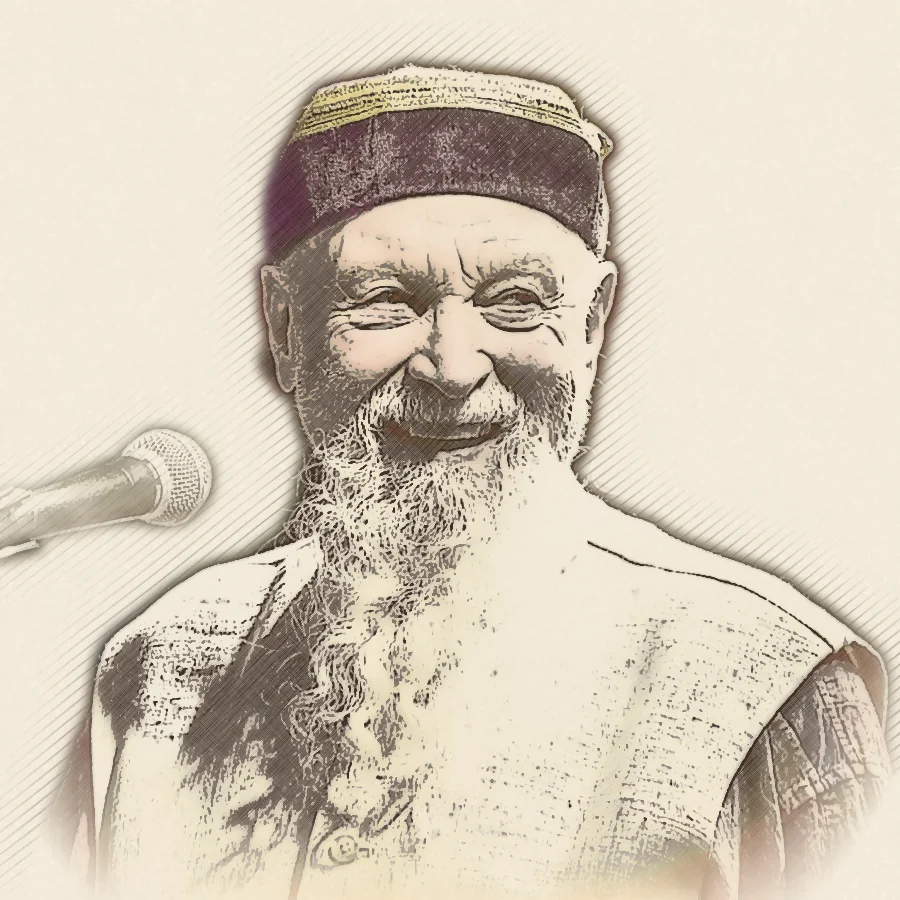
Terry Riley was born on 24 June 1935 in Colfax, a small town in California at the foot of the Sierra Nevada. He grew up in Redding, in the north of the state, where he learned piano and violin and discovered on the radio classical music as well as jazz and boogie-woogie. A gifted pianist, he soon earned his living playing in bars and saloons, an experience of improvisation that marked all his music.
He studied first at Shasta College, then at San Francisco State University and, from 1959, at the University of California, Berkeley, where he studied composition. There he met La Monte Young, an avant-garde composer exploring very long sustained sounds and repetition, and became one of the pioneers of what would later be called “minimalism”. In San Francisco Riley took part in the experimental art scene and began working with tape recorders, creating tape loops that endlessly repeat the same pattern.
From 1962 to 1964 he lived in Europe, mainly in Paris and Scandinavia. He earned his living playing piano in bars and cabarets, notably for soldiers on American bases. In Paris he worked for the theatre and, in a radio studio, experimented with a system of tape loops and delays he called the “time-lag accumulator”. These experiments allowed him to layer repeated patterns that gradually shift out of phase.
Back in San Francisco he composed in 1964 In C, a revolutionary work. The score fits on a single page: it consists of fifty-three short musical phrases, all built around the note C. Each musician, whatever the instrument, plays the phrases in order, repeating each as many times as they wish before moving on. A pianist plays the high C constantly in a steady pulse to keep everyone together. The result is a huge living texture that can last fifteen minutes or several hours.
The premiere of In C on 4 November 1964 at the San Francisco Tape Music Center brought together, among others, Steve Reich, Pauline Oliveros and Morton Subotnick. It was in fact Reich who suggested adding the steady pulse. The 1968 recording made the work known worldwide. In C is regarded as the founding work of minimalist music. It influenced not only art music but also rock, electronic music and bands such as The Who and Soft Machine.
In 1969 Riley recorded A Rainbow in Curved Air, playing electric organ and other instruments alone by overdubbing tracks. In 1970 he became a pupil of the great Indian singer Pandit Pran Nath, a master of raga, whom he followed for more than twenty-five years, often accompanying him in India and the United States. Indian singing and its improvisations deeply influenced his music. From 1971 to 1983 he taught at Mills College in Oakland, California.
From 1980 he began a long collaboration with the Kronos Quartet, writing many works for string quartet, including Salome Dances for Peace (1986), a work of nearly two hours, and Sun Rings (2002), commissioned by NASA, which incorporates sounds from space recorded by space probes. He continues to give improvised concerts on piano and organ, often with his son Gyan Riley, a guitarist. He spends part of his time in Japan. His ninetieth birthday in 2025 was celebrated with many concerts.
Works to know
- 1964
In C
53 patterns each player repeats at will — a founding work of minimalism.
- 1967
Poppy Nogood and the Phantom Band
Saxophone and electronic echoes.
- 1969
A Rainbow in Curved Air
Organ and keyboards in colourful loops.
- 1986
Salome Dances for Peace
Large fresco for string quartet.
- 2002
Sun Rings
Quartet, choir and sounds from space.
Anecdotes
In C can last 15 minutes… or several hours!
Steve Reich played in the first performance of In C and suggested the steady pulse.
The score of In C fits on a single page.
His piece Sun Rings uses sounds from space recorded by NASA probes.
Same era · 20th century and today
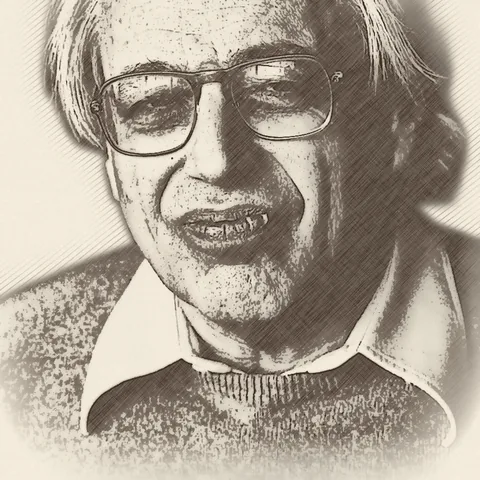 1923 – 200620th century and today
György Ligeti
He created shifting sonic textures that blur the boundary between melody and sound mass.
 1931 – 202520th century and today
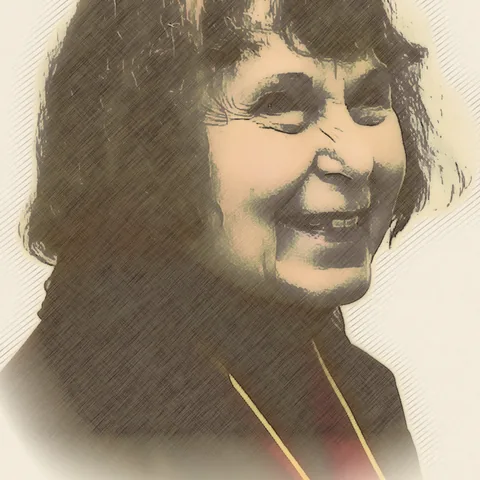
Sofia Goubaïdoulina
A Tatarstan-born composer who explored spirituality, timbre and unusual instruments.
 1935 –20th century and today
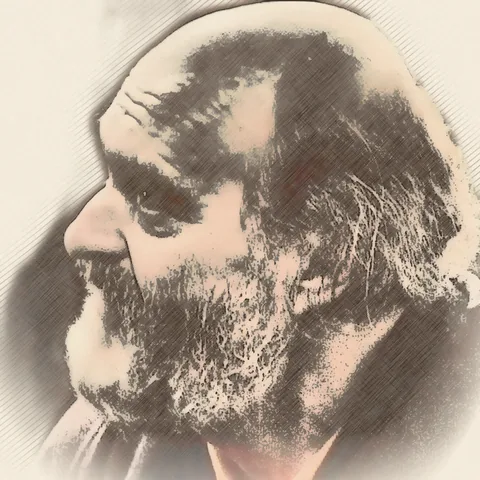
Arvo Pärt
His tintinnabuli style seeks simplicity and spiritual resonance.
 1936 –20th century and today
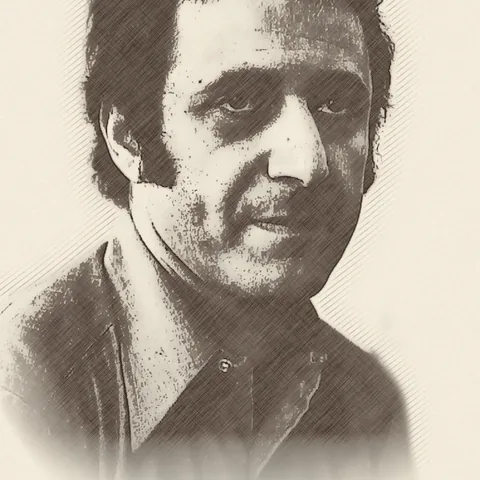
Steve Reich
He explores rhythmic phasing, repetition and connections between speech and music.
 1937 –20th century and today
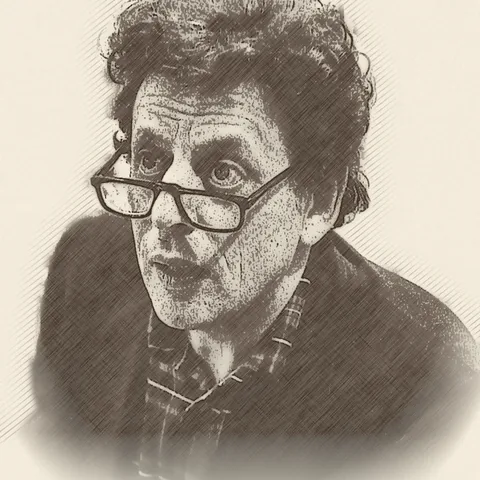
Philip Glass
His repeated and evolving patterns helped popularize minimalist music.
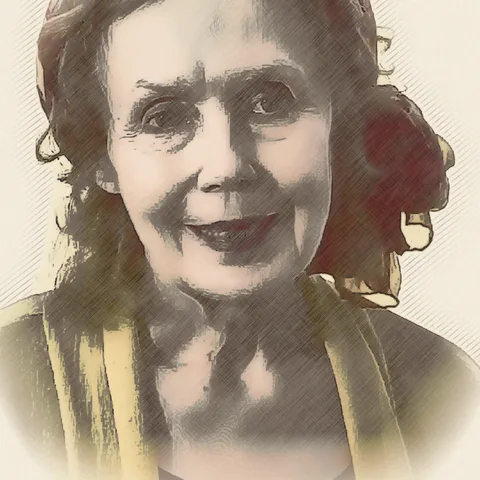 1952 – 202320th century and today
Kaija Saariaho
A Finnish composer who sculpted timbre and texture with exceptional subtlety.