 20th century and today
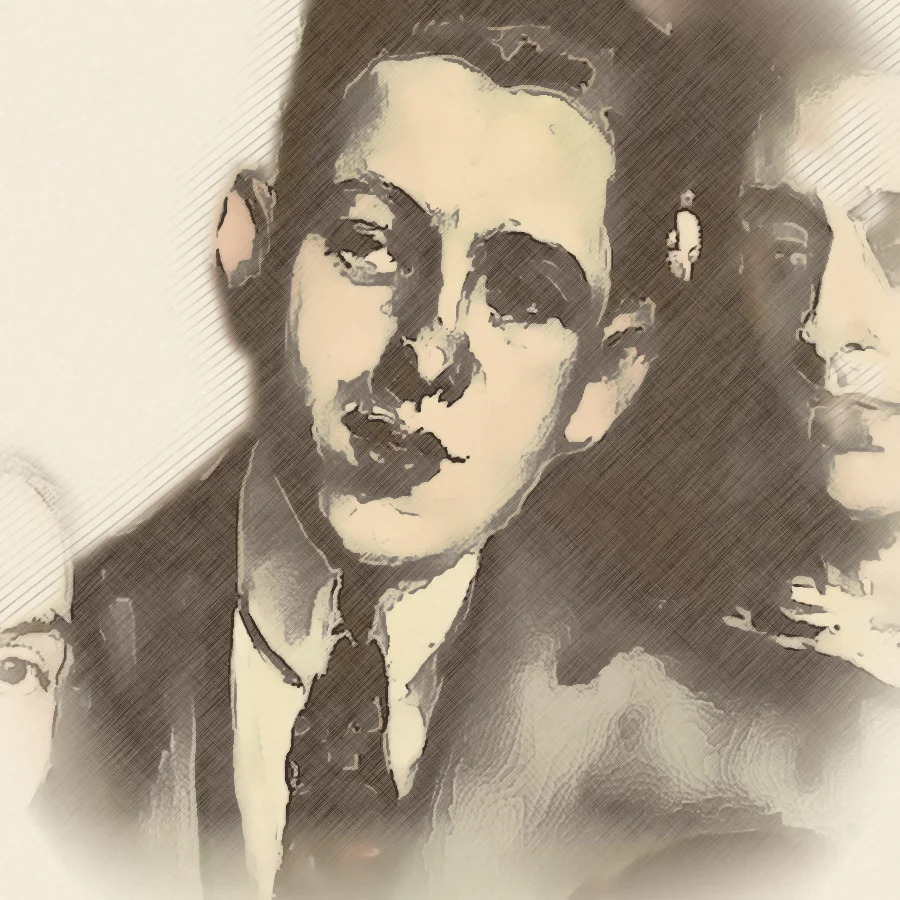
Francis Poulenc
A member of Les Six, he combined wit with profound spiritual expression.
A life and its times
The milestones of the life and work, the contemporaries and the major world events, on a single line of time.
A life at a glance
- 1899Birth
Born in Paris on 7 January; his father runs the Poulenc Frères company
- 1905Meanwhile
Einstein publishes special relativity
- 1914Trainingage 15
Piano lessons with Ricardo Viñes, friend of Debussy and Ravel
- 1914Meanwhile
The First World War begins
- 1917Workage 18
Rapsodie nègre, first success at 18
- 1918Meanwhile
End of the First World War
- 1920Careerage 21
A critic groups him with his friends as ‘Les Six’
- 1924Workage 25
Les Biches, ballet for the Ballets Russes
- 1927Meanwhile
First talking picture (The Jazz Singer)
- 1928Workage 29
Concert champêtre for the harpsichordist Wanda Landowska
- 1936Private lifeage 37
After a friend’s death, pilgrimage to Rocamadour: return to faith
- 1937Workage 38
Mass in G
- 1939Meanwhile
The Second World War begins
- 1940Workage 41
The Story of Babar, the Little Elephant (finished 1945)
- 1947Workage 48
Les Mamelles de Tirésias, comic opera
- 1948Meanwhile
The long-playing record (LP) goes on sale
- 1957Workage 58
Dialogues des Carmélites, premiered at La Scala, Milan
- 1957Meanwhile
Sputnik, the first artificial satellite
- 1961Workage 62
Premiere of his Gloria in Boston
- 1963Deathage 64
Dies in Paris on 30 January
- 1963Meanwhile
Martin Luther King’s “I have a dream” speech
Listen
Excerpts from freely licensed recordings, with their performers and licences.
Francis Poulenc’s music is still protected by copyright: to respect the rights holders, no excerpt is hosted here. You can hear it on the radio, in concert or on licensed streaming platforms.
Listen to complete works on Wikimedia Commons
Wikimedia Commons is a free media library: you will find the complete recordings there, with their reuse conditions.
The life of Francis Poulenc
Francis Poulenc was born in Paris on 7 January 1899 into a wealthy family. His father, Émile, a devout Catholic, ran with his brothers the pharmaceutical and chemical firm Poulenc Frères, later Rhône-Poulenc. His mother, Jenny Royer, from a family of Parisian craftsmen, was a good pianist who passed on to him a love of music, from Mozart to Chopin, and of popular song. Francis began piano with her at five. All his life he kept this double heritage: his father’s religious gravity and his mother’s Parisian whimsy.
His father wanted him to complete a classical education before thinking of music. But in 1914 Francis became a pupil of the pianist Ricardo Viñes, friend of Debussy and Ravel, who trained him at the piano and introduced him to Erik Satie, Georges Auric and avant-garde artistic circles. His mother died in 1915 and his father in 1917: orphaned at eighteen, he was taken in by his sister. In 1917 his Rapsodie nègre for baritone and ensemble, a humorous work on invented poems, was a first success and caught Stravinsky’s attention.
After military service he took composition lessons from 1921 to 1924 with Charles Koechlin, as he had never studied at the Conservatoire. In 1920 the critic Henri Collet grouped him with his friends Milhaud, Honegger, Auric, Durey and Tailleferre under the name “Les Six”. Around Jean Cocteau they championed simple, clear, joyful music inspired by music hall, circus and song. Poulenc then composed light, witty pieces such as the Mouvements perpétuels for piano.
In 1924 Sergei Diaghilev commissioned from him Les Biches for the Ballets Russes, a ballet evoking an elegant, slightly ambiguous party in a 1920s drawing room, with sets by Marie Laurencin: it was a great success. In 1928 he composed for the harpsichordist Wanda Landowska the Concert champêtre, reviving the harpsichord, and in 1932 the Concerto for Two Pianos, which he played himself with his childhood friend Jacques Février. He also formed a famous duo with the baritone Pierre Bernac, giving recitals with him for twenty-five years and writing for him many of his 150 or so songs.
In 1936 the sudden death of the composer Pierre-Octave Ferroud in a car accident shook him deeply. A few days later he made a pilgrimage to the shrine of the Black Virgin at Rocamadour and rediscovered the Catholic faith of his childhood. He at once composed the Litanies à la Vierge noire and then the Mass in G (1937). From then on his work alternated between two faces, summed up in a famous phrase: “half monk, half rascal”.
During the Occupation he composed the cantata Figure humaine (1943), on poems by Paul Éluard, a secret hymn to freedom ending with the poem “Liberté”. Between 1940 and 1945 he composed The Story of Babar, the Little Elephant, for piano and narrator, after Jean de Brunhoff’s books, at the request of a little cousin who found the music he was playing too boring. In 1947 he premiered Les Mamelles de Tirésias, a surrealist comic opera on a text by Guillaume Apollinaire.
His masterpiece is the opera Dialogues des Carmélites, premiered in 1957 at La Scala in Milan, after Georges Bernanos: the story of nuns guillotined during the French Revolution who go to the scaffold singing the Salve Regina. He then composed La Voix humaine (1959), on a text by Cocteau, the luminous, joyful Gloria (1961) and sonatas for wind instruments such as the Clarinet Sonata and Oboe Sonata (1962). He died of a heart attack in Paris on 30 January 1963. He is one of the most performed French composers of the twentieth century.
Works to know
- 1924
Les Biches
Elegant, mocking ballet.
- 1932
Concerto for Two Pianos
Sparkling concerto with Balinese colours.
- 1945
The Story of Babar
Tale for narrator and piano.
- 1957
Dialogues des Carmélites
Moving opera about nuns during the Revolution.
- 1959
Gloria
Joyful, radiant choral work.
- 1962
Clarinet Sonata
One of his last, much-performed works.
Anecdotes
He wrote The Story of Babar for a little cousin who asked him to.
His father ran a company that became the Rhône-Poulenc chemical group.
He was described as “half monk, half rascal”, so much does his music alternate between gravity and whimsy.
He gave recitals for twenty-five years with his friend the baritone Pierre Bernac.
Same era · 20th century and today
 1887 – 197920th century and today
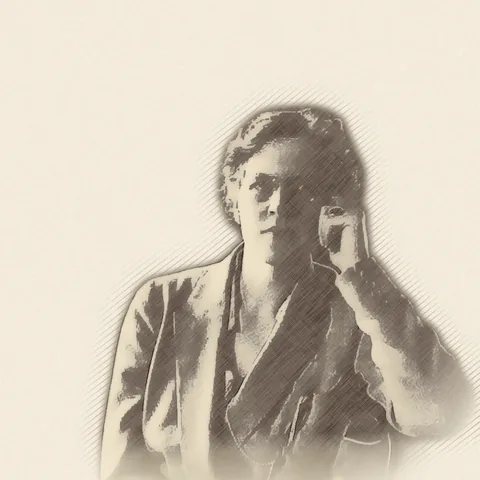
Nadia Boulanger
A teacher and conductor who influenced generations of musicians.
 1892 – 198320th century and today
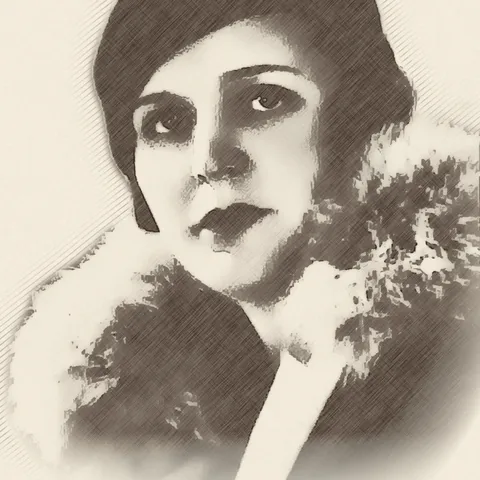
Germaine Tailleferre
The only woman in Les Six, she wrote inventive, clear music for stage and concert.
 1898 – 193720th century and today
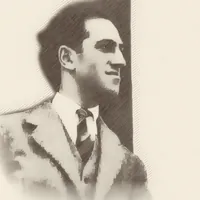
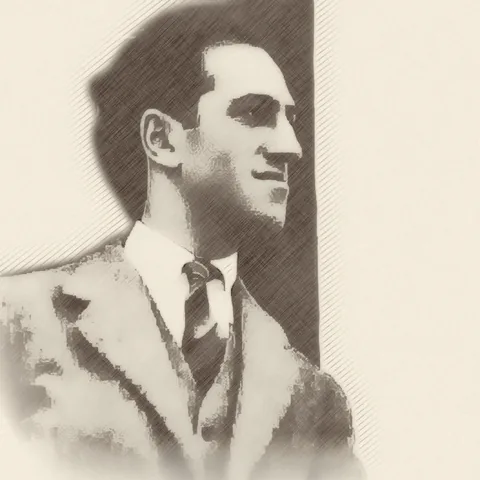
George Gershwin
An American composer who bridged jazz, Broadway and concert music.
 1900 – 199020th century and today
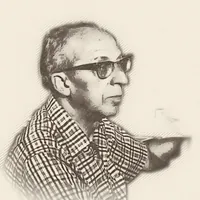
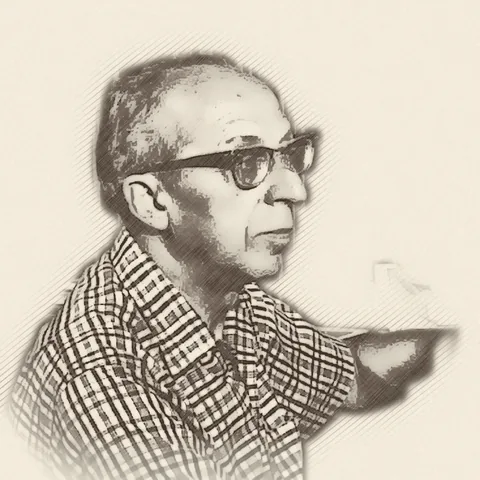
Aaron Copland
He developed an open American sound drawing on dance and folk traditions.
 1910 – 198120th century and today
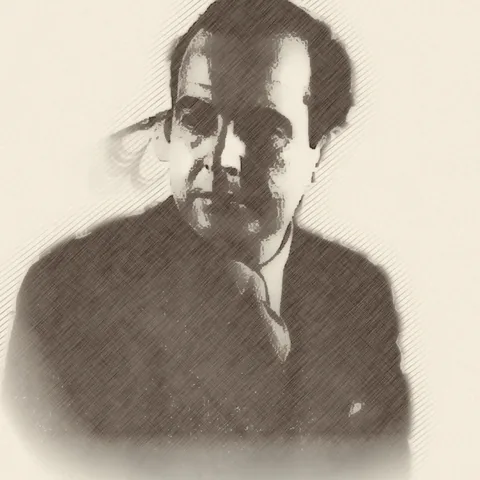
Samuel Barber
A lyrical American composer who wrote for voice, strings and orchestra.
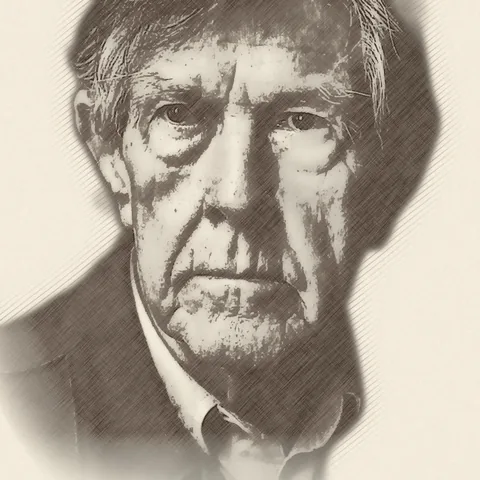 1912 – 199220th century and today
John Cage
A radical experimenter who questioned chance, silence and the act of listening.