 20th century and today
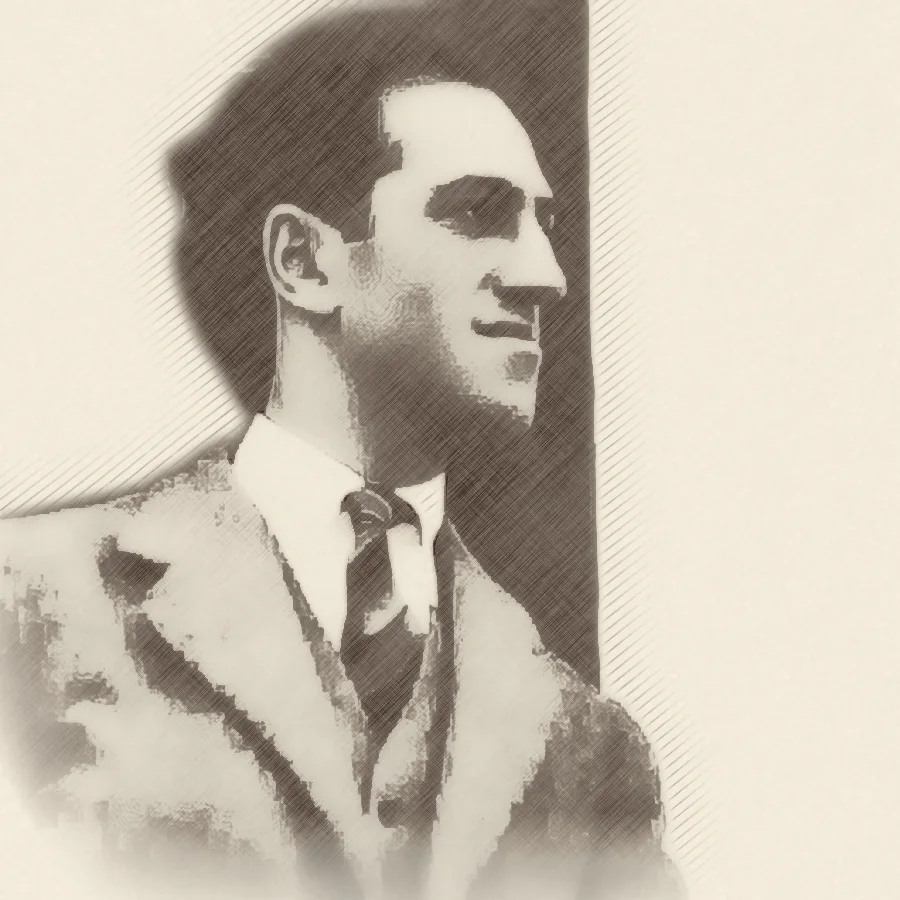
George Gershwin
An American composer who bridged jazz, Broadway and concert music.
A life and its times
The milestones of the life and work, the contemporaries and the major world events, on a single line of time.
A life at a glance
- 1898Birth
Born in Brooklyn on 26 September, son of Russian immigrants
- 1903Meanwhile
First powered aeroplane flight (Wright brothers)
- 1905Meanwhile
Einstein publishes special relativity
- 1910Private lifeage 12
His parents buy a piano for his brother Ira… but George takes it over
- 1912Meanwhile
The Titanic sinks
- 1914Careerage 16
Leaves school at 15 to plug songs on Tin Pan Alley
- 1914Meanwhile
The First World War begins
- 1918Meanwhile
End of the First World War
- 1919Workage 21
Swanee, sung by Al Jolson — a huge hit
- 1922Meanwhile
Public radio broadcasting begins (BBC, Radio Tour Eiffel)
- 1924Workage 26
Rhapsody in Blue, with Paul Whiteman’s orchestra
- 1924Workage 26
Lady, Be Good!, first musical with his brother Ira
- 1925Workage 27
Concerto in F
- 1927Meanwhile
First talking picture (The Jazz Singer)
- 1928Journeyage 30
Trip to Paris: meets Ravel; An American in Paris
- 1929Landmarkage 31
Wall Street Crash
- 1929Meanwhile
Wall Street Crash
- 1932Careerage 34
Of Thee I Sing: the first musical to win a Pulitzer Prize
- 1935Workage 37
Porgy and Bess, with ‘Summertime’
- 1936Milestoneage 38
Moves to Hollywood to write film music
- 1937Deathage 39
Dies in Los Angeles on 11 July, aged 38
Listen
Excerpts from freely licensed recordings, with their performers and licences.
Excerpts last up to 90 seconds. George Gershwin’s compositions are in the public domain; each recording is streamed from Wikimedia Commons under the licence shown, credited to its performers or uploader.
Listen to complete works on Wikimedia Commons
Wikimedia Commons is a free media library: you will find the complete recordings there, with their reuse conditions.
- Complete recordingRhapsody in Blue — first recording with Gershwin at the piano (1924)
- Complete recordingThree Preludes — No. 1
- Complete recordingThe Man I Love
- Wikimedia Commons fileGeorge Gershwin's "Rhapsody in Blue" piano solo
- Search for the workRhapsody in Blue
- Search for the workAn American in Paris
- Search for the workPorgy and Bess
- Search for the workConcerto in F
- Search for the workThree Preludes
- Search for the workI Got Rhythm
- Search for the workThe Man I Love
- Everything on CommonsAll recordings of George Gershwin
The life of George Gershwin
George Gershwin was born on 26 September 1898 in Brooklyn, New York, the son of Jewish immigrants from Russia, Moishe and Rose Gershowitz. His father often changed jobs and the family moved constantly around New York. George was a boisterous child who preferred street games and roller skating to school. But one day, aged ten, he heard a classmate play the violin and was overwhelmed. In 1910 his parents bought a piano for his elder brother Ira: George immediately sat down at it and played with astonishing ease.
He took lessons with Charles Hambitzer, a teacher who introduced him to Chopin, Liszt and Debussy and predicted he would become a great composer. At fifteen, in 1914, he left school to become a “song plugger”, a demonstration pianist for a song publisher on Tin Pan Alley, New York’s street of popular-music publishers: all day long he played the new songs for singers and customers. There he discovered ragtime, blues and jazz and began writing his own songs.
In 1919 his song Swanee, recorded by the famous singer Al Jolson, became a huge hit: it sold more than a million copies of sheet music and two million records. Gershwin became famous and rich at twenty-one. He composed for Broadway revues and dreamed of uniting American popular music and classical music.
In January 1924 the bandleader Paul Whiteman announced in the press that he would perform a work by Gershwin at a big concert devoted to “modern American music”. Gershwin, who had forgotten, composed in a few weeks Rhapsody in Blue for piano and jazz band, whose opening clarinet glissando, invented during rehearsals, has become legendary. On 12 February 1924 at Aeolian Hall in New York he played it himself before Rachmaninoff, Stravinsky and Heifetz: it was a triumph. That same year he wrote with his brother Ira, a lyricist, his first musical, Lady, Be Good!
For a decade the Gershwin brothers created Broadway hits such as Oh, Kay!, Funny Face, Girl Crazy, with I Got Rhythm, and Of Thee I Sing (1931), the first musical to win a Pulitzer Prize. His songs, such as The Man I Love, Embraceable You and ’S Wonderful, became jazz standards. George also composed the Concerto in F (1925), commissioned by the conductor Walter Damrosch, and the Three Preludes for piano (1926).
In 1928 he stayed in Paris, where he met Ravel, Prokofiev and Nadia Boulanger. He asked Ravel for lessons, who reportedly replied: “Why become a second-rate Ravel when you are a first-rate Gershwin?” He composed An American in Paris, a tone poem evoking a tourist’s stroll through the streets of Paris, with real taxi horns he had brought back. In 1935 he premiered Porgy and Bess, a “folk opera” whose characters are all African American, with the famous lullaby Summertime.
In 1936 he moved to Hollywood with Ira to write music for film musicals, notably with Fred Astaire and Ginger Rogers. But in early 1937 he suffered from headaches, memory lapses and dizzy spells: it was discovered too late that he had a brain tumour. He died in Los Angeles on 11 July 1937, aged thirty-eight. Gershwin brought jazz into the concert hall and remains one of the best-loved American composers.
Works to know
- 1924
Rhapsody in Blue
Opens with a legendary clarinet glissando.
Listen on Wikimedia Commons - 1924
The Man I Love
Melancholy ballad with Ira.
Listen on Wikimedia Commons - 1925
Concerto in F
Jazz-coloured piano concerto.
Listen on Wikimedia Commons - 1926
Three Preludes
Short jazzy piano pieces.
Listen on Wikimedia Commons - 1928
An American in Paris
A Paris stroll with real taxi horns!
Listen on Wikimedia Commons - 1930
I Got Rhythm
Song that became a jazz standard.
Listen on Wikimedia Commons - 1935
Porgy and Bess
Opera with the famous lullaby ‘Summertime’.
Listen on Wikimedia Commons
Anecdotes
He brought real Paris taxi horns home for his orchestra.
You can hear him play in the very first recording of Rhapsody in Blue (1924).
Ravel reportedly told him: “Why become a second-rate Ravel when you are a first-rate Gershwin?”
The famous clarinet glissando that opens Rhapsody in Blue was invented during rehearsals.
Same era · 20th century and today
 1887 – 197920th century and today
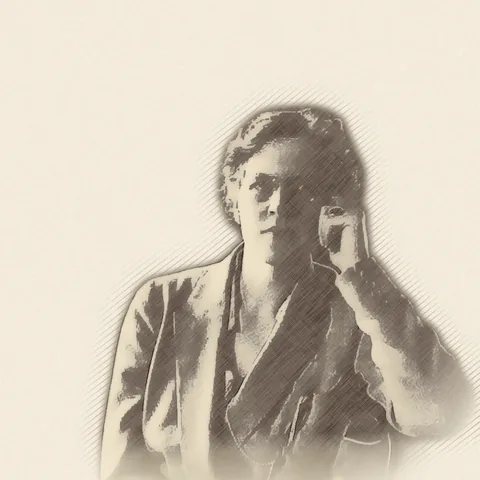
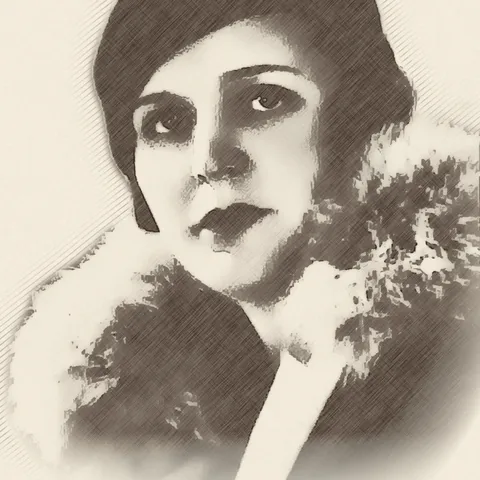
Nadia Boulanger
A teacher and conductor who influenced generations of musicians.
 1892 – 198320th century and today
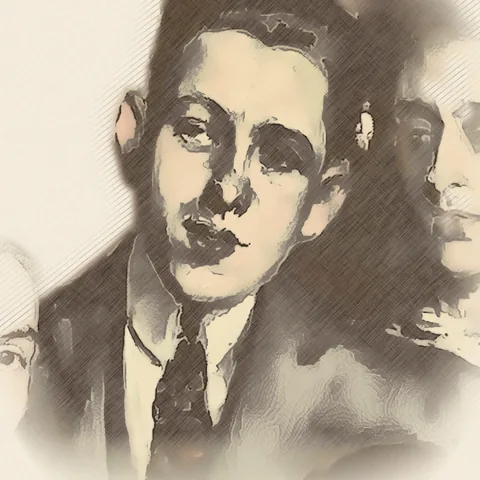
Germaine Tailleferre
The only woman in Les Six, she wrote inventive, clear music for stage and concert.
 1899 – 196320th century and today
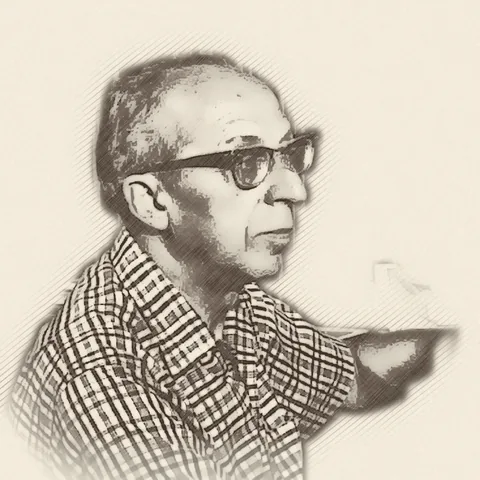
Francis Poulenc
A member of Les Six, he combined wit with profound spiritual expression.
 1900 – 199020th century and today
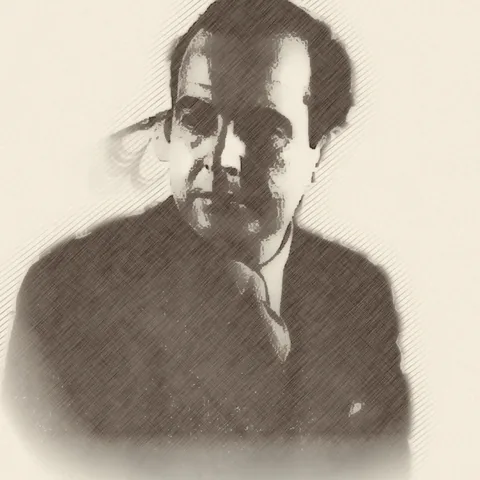
Aaron Copland
He developed an open American sound drawing on dance and folk traditions.
 1910 – 198120th century and today
Samuel Barber
A lyrical American composer who wrote for voice, strings and orchestra.
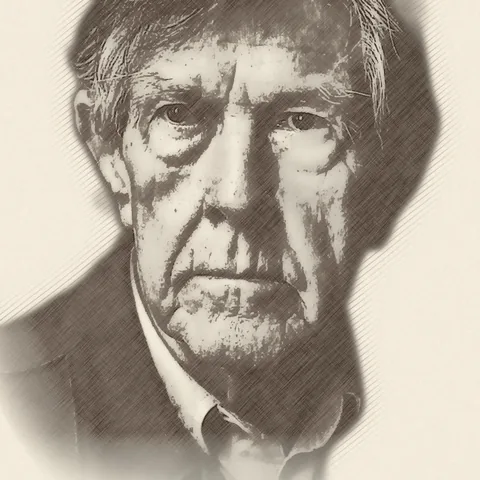 1912 – 199220th century and today
John Cage
A radical experimenter who questioned chance, silence and the act of listening.