 Modernism
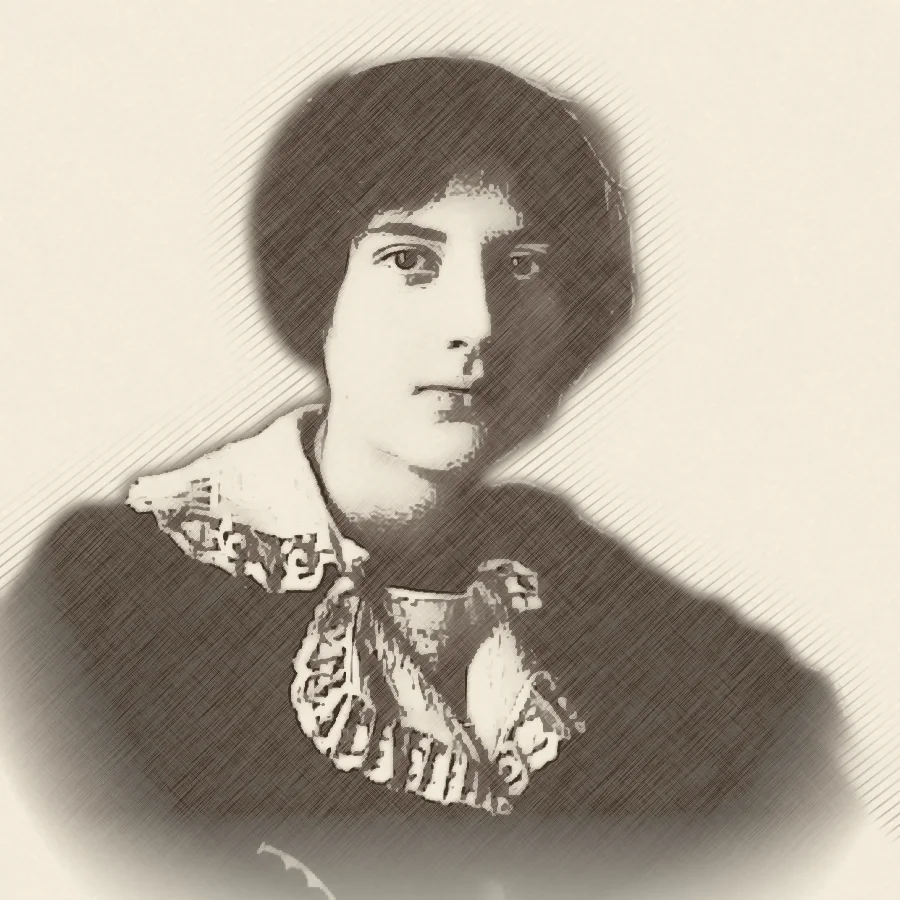
Lili Boulanger
The first woman to win the premier Grand Prix de Rome in composition, she left an intense body of work.
A life and its times
The milestones of the life and work, the contemporaries and the major world events, on a single line of time.
A life at a glance
- 1893Birth
Born in Paris on 21 August
- 1895Private lifeage 2
A serious illness leaves her frail for life; Fauré discovers her perfect pitch
- 1895Meanwhile
The Lumière brothers’ first cinema show
- 1898Trainingage 5
Accompanies her sister Nadia to Conservatoire classes
- 1903Meanwhile
First powered aeroplane flight (Wright brothers)
- 1905Meanwhile
Einstein publishes special relativity
- 1912Trainingage 19
Officially enters the Paris Conservatoire
- 1912Meanwhile
The Titanic sinks
- 1913Careerage 20
First woman to win the Premier Grand Prix de Rome, aged 19
- 1914Journeyage 21
Stay at the Villa Medici, cut short by the war
- 1914Workage 21
Clairières dans le ciel, song cycle
- 1914Meanwhile
The First World War begins
- 1915Careerage 22
Helps musicians at the front with her sister Nadia
- 1917Workage 24
Psalms; Vieille prière bouddhique
- 1917Meanwhile
Russian Revolution
- 1918Workage 25
D’un soir triste and D’un matin de printemps; dictates her Pie Jesu
- 1918Deathage 25
Dies in Mézy-sur-Seine on 15 March, aged 24
- 1918Meanwhile
End of the First World War
Listen
Excerpts from freely licensed recordings, with their performers and licences.
Lili Boulanger’s music is in the public domain, but Wikimedia Commons does not yet offer a freely licensed recording of these works. The links below lead to scores and searches on Commons; as soon as a free recording is published, it can be added here.
Listen to complete works on Wikimedia Commons
Wikimedia Commons is a free media library: you will find the complete recordings there, with their reuse conditions.
- Search for the workD’un matin de printemps
- Search for the workD’un soir triste
- Search for the workFaust et Hélène
- Search for the workPsalm 130 ‘Du fond de l’abîme’
- Search for the workClairières dans le ciel
- Search for the workPie Jesu
- Search for the workNocturne for violin and piano
- ScoresScores by Lili Boulanger on Wikimedia Commons
- Everything on CommonsAll recordings of Lili Boulanger
The life of Lili Boulanger
Marie-Juliette Olga Boulanger, known as Lili, was born in Paris on 21 August 1893. She was the daughter of Ernest Boulanger, a composer aged seventy-eight, and Raissa Myshetskaya, and the younger sister of Nadia, six years her elder, who was also her godmother. At two, in 1895, a severe bout of pneumonia — perhaps the first sign of the chronic intestinal illness she suffered from all her life — permanently weakened her health. That same year the composer Gabriel Fauré, a family friend, discovered that she had perfect pitch.
Too frail for normal schooling, Lili was educated at home. From the age of five she went with her sister Nadia to classes at the Paris Conservatoire, attending organ and theory lessons. She learned piano, violin, cello and harp, and sang. Her father died in 1900, when she was only six, which marked her deeply. Fauré, a frequent visitor, encouraged her and played his music for her.
Despite her health, at sixteen Lili decided to become a composer and to compete for the Prix de Rome, the most prestigious competition for young French composers, which no woman had ever won. She prepared by studying composition with Georges Caussade and Paul Vidal, and officially entered the Conservatoire in 1912. She competed for the first time that year but, ill, had to withdraw.
In 1913, aged nineteen, she won the Premier Grand Prix de Rome with her cantata Faust et Hélène, by a large majority of the jury. It was the first time a woman had won the award. The event caused a sensation in the press, in France and abroad. Thanks to the prize she signed a contract with the publisher Ricordi. In 1914 she left for the Villa Medici in Rome, but her stay was cut short by the outbreak of the First World War and by her illness.
Back in France she and her sister Nadia founded the Franco-American Committee of the National Conservatoire, which sent letters, parcels and a newsletter to musicians mobilised at the front to support them. Despite the war and periods of great suffering, she composed intensely. In 1914 she completed Clairières dans le ciel, a cycle of thirteen songs on poems by Francis Jammes. She also composed a poetic Nocturne for violin and piano.
Between 1914 and 1917 she wrote three great Psalms for chorus and orchestra, including Psalm 130, “Du fond de l’abîme”, of overwhelming dramatic power, as well as the Vieille prière bouddhique for tenor, chorus and orchestra, a prayer for all humanity. Her music, influenced by Debussy and Fauré, has a very personal language, both luminous and tragic, with bold harmonies. She also worked on an opera, La Princesse Maleine, after Maeterlinck, which she was unable to finish.
In 1918, knowing she would soon die, she composed two pieces for orchestra or trio, D’un soir triste and D’un matin de printemps, one dark, the other bright. Too weak to write, she dictated to her sister Nadia her last song, a Pie Jesu for voice, string quartet, harp and organ. She died at Mézy-sur-Seine on 15 March 1918, aged twenty-four. Nadia devoted the rest of her life to making her work known. Today Lili Boulanger is recognised as one of the most gifted composers of her time.
Works to know
- 1913
Faust et Hélène
Prix de Rome cantata.
Listen on Wikimedia Commons - 1914
Clairières dans le ciel
13 songs on poems by Francis Jammes.
Listen on Wikimedia Commons - 1914
Nocturne for violin and piano
Dreamy little piece.
Listen on Wikimedia Commons - 1916
Psalm 130 ‘Du fond de l’abîme’
Vast, overwhelming choral fresco.
Listen on Wikimedia Commons - 1918
D’un matin de printemps
Luminous, dancing piece full of energy.
Listen on Wikimedia Commons - 1918
D’un soir triste
Its dark, poignant twin.
Listen on Wikimedia Commons - 1918
Pie Jesu
Her last work, dictated to her sister.
Listen on Wikimedia Commons
Anecdotes
Gabriel Fauré found she had perfect pitch when she was 2.
She was the first woman to win the Premier Grand Prix de Rome.
Too weak to write, she dictated her last song, a Pie Jesu, to her sister Nadia.
During the war she and her sister sent parcels and letters to musicians at the front.


Same era · Modernism
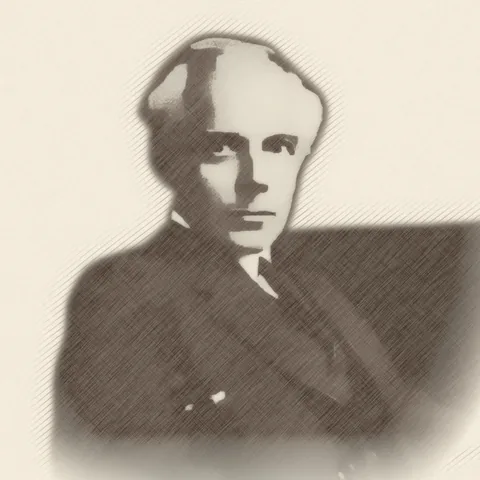 1881 – 1945Modernism
Béla Bartók
A researcher of folk music, he transformed rhythms and modes into a modern language.
 1882 – 1971Modernism
Igor Stravinsky
His rhythmic disruptions and stylistic reinventions shaped twentieth-century music.
 1883 – 1945Modernism
Anton Webern
An Austrian composer who distilled ideas into brief, precise forms.
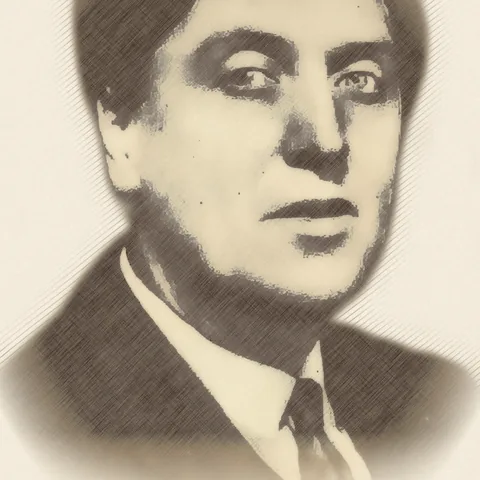 1885 – 1935Modernism
Alban Berg
A pupil of Schoenberg, he combined modern techniques with dramatic intensity.
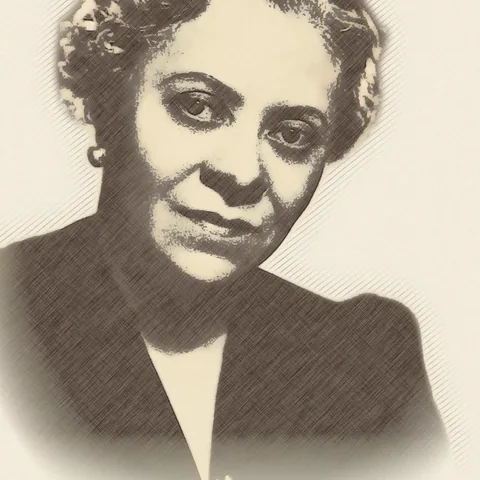 1887 – 1953Modernism
Florence Price
The first Black woman to have a symphony performed by a major US orchestra, she blended classical and African American traditions.
 1891 – 1953Modernism
Serge Prokofiev
His angular melodies, sharp rhythms and theatrical flair appeal to all ages.