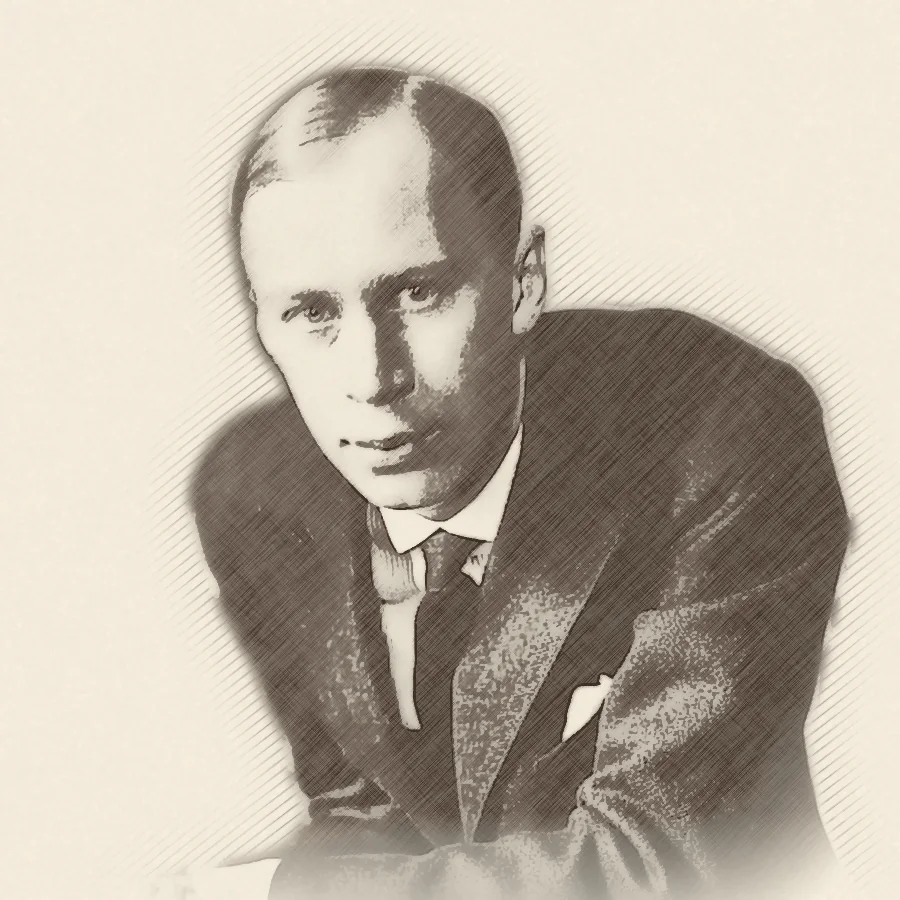
A life and its times
The milestones of the life and work, the contemporaries and the major world events, on a single line of time.
A life at a glance
- 1891Birth
Born in Sontsovka on 23 April; his mother is a pianist
- 1895Meanwhile
The Lumière brothers’ first cinema show
- 1900Workage 9
Composes an opera, The Giant, at 9
- 1904Trainingage 13
Enters the St Petersburg Conservatory at 13
- 1905Meanwhile
Einstein publishes special relativity
- 1914Careerage 23
Anton Rubinstein Prize with his Piano Concerto No. 1
- 1914Meanwhile
The First World War begins
- 1917Workage 26
‘Classical’ Symphony
- 1917Meanwhile
Russian Revolution
- 1918Journeyage 27
Leaves revolutionary Russia for the United States via Japan
- 1921Workage 30
The Love for Three Oranges, premiered in Chicago
- 1922Meanwhile
Public radio broadcasting begins (BBC, Radio Tour Eiffel)
- 1923Milestoneage 32
Settles in Paris; marries the singer Lina Codina
- 1929Meanwhile
Wall Street Crash
- 1936Milestoneage 45
Returns for good to the Soviet Union; Peter and the Wolf
- 1938Workage 47
Romeo and Juliet; score for the film Alexander Nevsky
- 1944Workage 53
Symphony No. 5
- 1945Workage 54
Cinderella, ballet
- 1945Meanwhile
End of the Second World War; United Nations founded
- 1948Landmarkage 57
Officially condemned for ‘formalism’; his first wife is deported
- 1948Meanwhile
The long-playing record (LP) goes on sale
- 1953Deathage 62
Dies in Moscow on 5 March, the same day as Stalin
Listen
Excerpts from freely licensed recordings, with their performers and licences.
Excerpts last up to 90 seconds. Serge Prokofiev’s compositions are in the public domain; each recording is streamed from Wikimedia Commons under the licence shown, credited to its performers or uploader.
Listen to complete works on Wikimedia Commons
Wikimedia Commons is a free media library: you will find the complete recordings there, with their reuse conditions.
- Complete recordingToccata Op. 11 (Martha Argerich, 1962)
- Complete recordingRomeo and Juliet — Montagues and Capulets (piano)
- Complete recordingMarch Op. 99 (wind band)
- Search for the workPeter and the Wolf
- Search for the workRomeo and Juliet
- Search for the work‘Classical’ Symphony
- Search for the workThe Love for Three Oranges
- Search for the workCinderella
- Search for the workAlexander Nevsky
- Search for the workToccata Op. 11
- Everything on CommonsAll recordings of Serge Prokofiev
The life of Serge Prokofiev
Sergei Prokofiev was born on 23 April 1891 (11 April by the old calendar) at Sontsovka, a village in present-day Ukraine, then in the Russian Empire, where his father, an agronomist, managed a large estate. His mother, Maria, an excellent pianist, taught him the piano and played him Beethoven and Chopin. An only child, he was extremely precocious: at five he composed a little “Indian Galop”; at nine he wrote an opera, The Giant. The composer Reinhold Glière spent two summers on the estate giving him lessons.
In 1904, aged thirteen, he entered the St Petersburg Conservatory, much younger than his classmates. He studied with Rimsky-Korsakov and Anatoly Lyadov but was insolent and provocative: he kept count of his fellow students’ mistakes and loved to shock with his dissonances and hammered rhythms. A formidable pianist, he composed percussive pieces such as the Toccata Op. 11 (1912). In 1914 he won the Anton Rubinstein Prize playing his own Piano Concerto No. 1. That same year he beat the chess champion Capablanca in a simultaneous exhibition.
In 1917 he composed his Symphony No. 1, the “Classical”, a nod to Haydn, written as if Haydn had lived in the twentieth century: short, light and full of humour. After the October Revolution he obtained permission to go abroad. In 1918 he crossed Siberia and Japan to reach the United States. There he made a career as a pianist and composed the opera The Love for Three Oranges, premiered in Chicago in 1921, the story of a prince who has forgotten how to laugh, whose famous March became very popular.
In 1923 he settled in Paris, where he married the Spanish singer Lina Codina, with whom he had two sons. He composed for Diaghilev’s Ballets Russes and pursued an international career as a pianist. But he felt far from his homeland. From 1927 he made several triumphant tours of the Soviet Union, and in 1936 he decided to return to Moscow for good with his family, at a time when Stalin’s regime was forcing artists to serve the official ideology.
That same year, 1936, the Central Children’s Theatre in Moscow commissioned a work to introduce young people to the instruments of the orchestra. In a few days he wrote Peter and the Wolf, a musical tale in which each character is represented by an instrument: Peter by the strings, the bird by the flute, the duck by the oboe, the cat by the clarinet, the grandfather by the bassoon, the wolf by the horns and the hunters by the timpani. It is now one of the most performed children’s works in the world.
He then composed the ballet Romeo and Juliet (premiered in 1938), with the famous Dance of the Knights, the score for Sergei Eisenstein’s film Alexander Nevsky (1938), and during the Second World War the opera War and Peace, after Tolstoy, the Symphony No. 5 (1944), celebrating “the grandeur of the human spirit”, and the ballet Cinderella (1945). He separated from Lina and lived with the young writer Mira Mendelson, whom he married in 1948.
In 1948 the Soviet authorities officially condemned several composers, including Prokofiev and Shostakovich, for “formalism” — music deemed too modern and remote from the people. His works were banned, his income collapsed, and his first wife, Lina, was arrested and sent to a labour camp in Siberia. Ill, Prokofiev still composed his Symphony No. 7 (1952). He died in Moscow on 5 March 1953, the same day as Stalin: news of his death went almost unnoticed, and it was hard to find flowers for his funeral.
Works to know
- 1912
Toccata Op. 11
Fast, percussive piano piece.
Listen on Wikimedia Commons - 1917
‘Classical’ Symphony
As if Haydn had lived in the 20th century.
Listen on Wikimedia Commons - 1921
The Love for Three Oranges
Zany fairy-tale opera with its famous March.
Listen on Wikimedia Commons - 1935
Romeo and Juliet
Ballet with the fearsome ‘Dance of the Knights’.
Listen on Wikimedia Commons - 1936
Peter and the Wolf
Musical tale in which each character is an instrument.
Listen on Wikimedia Commons - 1938
Alexander Nevsky
Epic film score for Eisenstein.
Listen on Wikimedia Commons - 1945
Cinderella
Ballet with the clock striking midnight.
Listen on Wikimedia Commons
Anecdotes
In Peter and the Wolf, Peter is played by the strings and the hunters by the timpani.
He beat the chess champion Capablanca in a simultaneous game in 1914.
He wrote Peter and the Wolf in just a few days.
His “Classical” Symphony imagines the music Haydn would have written had he lived in the twentieth century.
Same era · Modernism
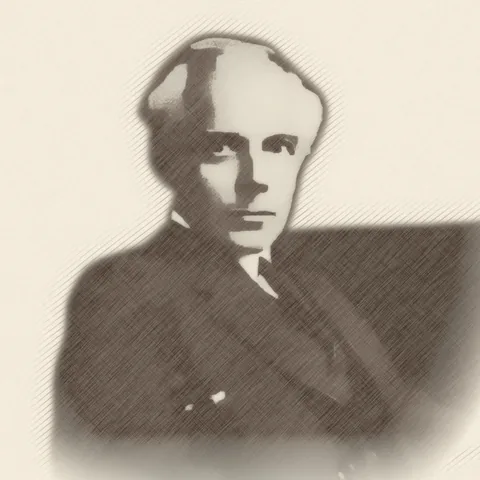 1881 – 1945Modernism
Béla Bartók
A researcher of folk music, he transformed rhythms and modes into a modern language.
 1882 – 1971Modernism
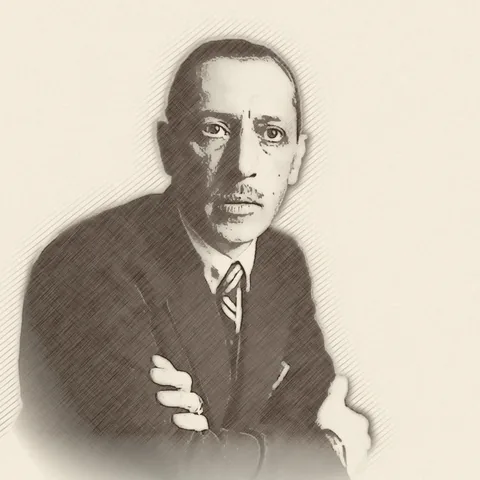
Igor Stravinsky
His rhythmic disruptions and stylistic reinventions shaped twentieth-century music.
 1883 – 1945Modernism
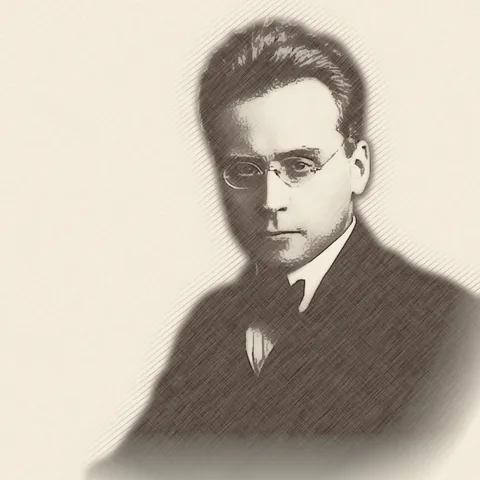
Anton Webern
An Austrian composer who distilled ideas into brief, precise forms.
 1885 – 1935Modernism
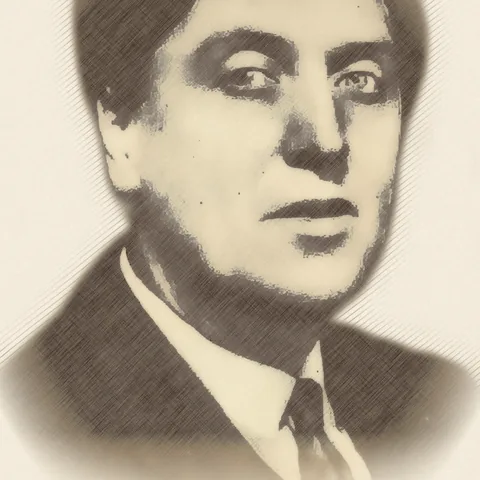
Alban Berg
A pupil of Schoenberg, he combined modern techniques with dramatic intensity.
 1887 – 1953Modernism
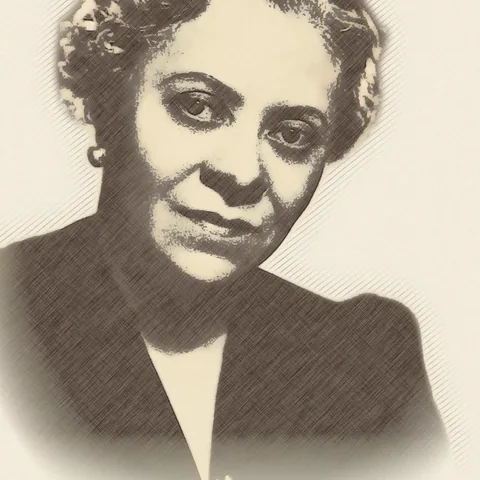
Florence Price
The first Black woman to have a symphony performed by a major US orchestra, she blended classical and African American traditions.
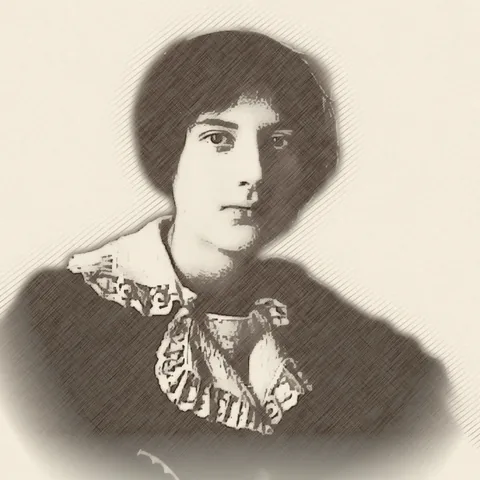 1893 – 1918Modernism
Lili Boulanger
The first woman to win the premier Grand Prix de Rome in composition, she left an intense body of work.