 20th century and today
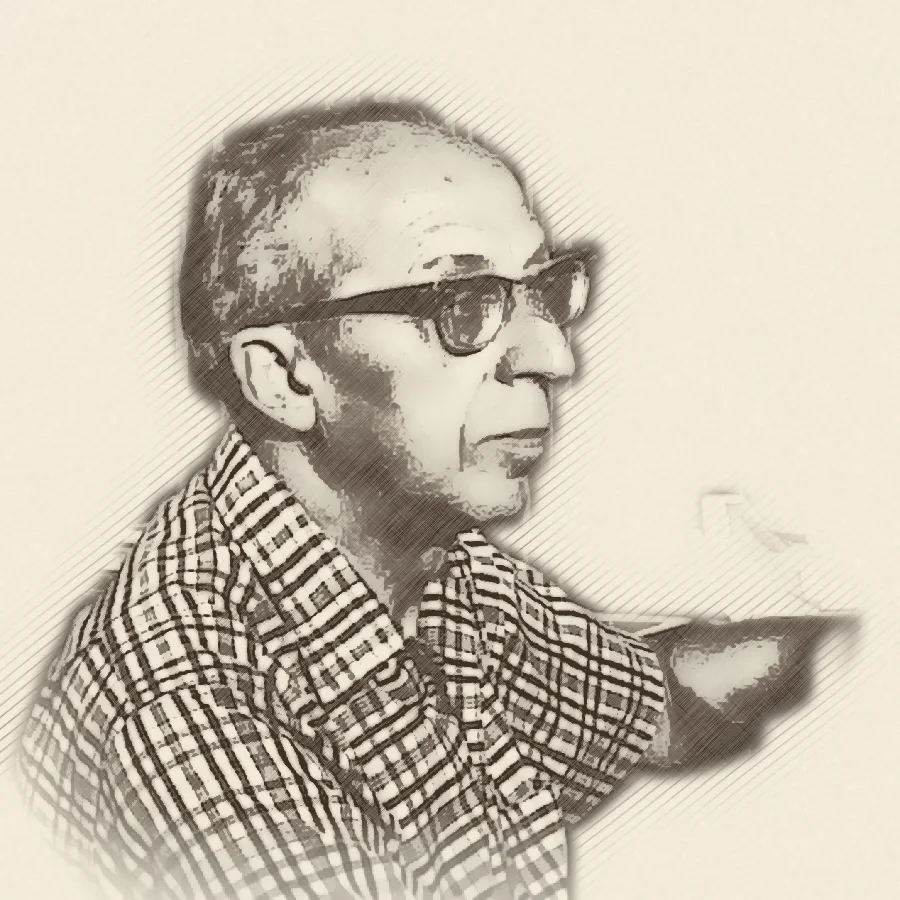
Aaron Copland
He developed an open American sound drawing on dance and folk traditions.
A life and its times
The milestones of the life and work, the contemporaries and the major world events, on a single line of time.
A life at a glance
- 1900Birth
Born in Brooklyn on 14 November, son of Jewish immigrants from Lithuania
- 1905Meanwhile
Einstein publishes special relativity
- 1917Trainingage 17
Harmony lessons in New York
- 1918Meanwhile
End of the First World War
- 1921Journeyage 21
Goes to France: Nadia Boulanger’s first American pupil
- 1925Workage 25
Organ Symphony, premiered by Nadia Boulanger in New York
- 1929Meanwhile
Wall Street Crash
- 1936Workage 36
El Salón México
- 1938Workage 38
Billy the Kid, ballet
- 1942Workage 42
Rodeo; Fanfare for the Common Man; Lincoln Portrait
- 1944Workage 44
Appalachian Spring for the choreographer Martha Graham
- 1945Careerage 45
Pulitzer Prize for Appalachian Spring
- 1946Workage 46
Symphony No. 3
- 1948Meanwhile
The long-playing record (LP) goes on sale
- 1950Careerage 50
Academy Award for best film score (The Heiress)
- 1957Meanwhile
Sputnik, the first artificial satellite
- 1964Careerage 64
Presidential Medal of Freedom
- 1964Meanwhile
Robert Moog presents his synthesizer
- 1977Meanwhile
Voyager probes launched with their Golden Record
- 1982Meanwhile
The compact disc (CD) is launched
- 1990Deathage 90
Dies on 2 December in North Tarrytown
Listen
Excerpts from freely licensed recordings, with their performers and licences.
Aaron Copland’s music is still protected by copyright: to respect the rights holders, no excerpt is hosted here. You can hear it on the radio, in concert or on licensed streaming platforms.
Listen to complete works on Wikimedia Commons
Wikimedia Commons is a free media library: you will find the complete recordings there, with their reuse conditions.
The life of Aaron Copland
Aaron Copland was born in Brooklyn, New York, on 14 November 1900. He was the youngest of the five children of Harris Morris Copland and Sarah Mittenthal, Jewish immigrants from Lithuania, then in the Russian Empire, who ran a department store on the ground floor of the family building. No one in the family was a musician, but Aaron learned piano from his elder sister and at fifteen decided to become a composer. From 1917 he took harmony and composition lessons with Rubin Goldmark, a conservative New York teacher.
In 1921 he went to France to study at the brand-new American Conservatory at Fontainebleau. There he discovered Nadia Boulanger, who became his teacher; he was her first American pupil. For three years he studied with her in Paris, discovering Stravinsky, French music and the European avant-garde, and befriending many artists. Nadia Boulanger encouraged him to find a truly American music. In 1925 she premiered his Symphony for Organ and Orchestra in New York under Walter Damrosch.
Back in the United States, Copland searched for an American style. He first drew on jazz, as in his Piano Concerto (1926), then wrote in a more abstract, dissonant style, as in the Piano Variations (1930). He also organised concerts of contemporary music to promote young American composers. With the Great Depression of the 1930s he decided to write simpler music, accessible to the general public, that spoke of America and its people.
After a trip to Mexico he composed El Salón México (1936), evoking a popular dance hall in Mexico City. Then came his famous ballets inspired by the American West: Billy the Kid (1938), about the famous outlaw, and Rodeo (1942), with its rollicking “Hoe-Down”, both using cowboy songs. In 1942, during the Second World War, he composed Fanfare for the Common Man for brass and percussion, and Lincoln Portrait for narrator and orchestra, on texts by Abraham Lincoln.
In 1944 he composed for the choreographer Martha Graham the ballet Appalachian Spring, depicting a spring celebration and a wedding among nineteenth-century pioneers in Pennsylvania. The work uses the Shaker song “Simple Gifts”, which he varies with great tenderness. It won him the Pulitzer Prize in 1945. In 1946 he composed his Symphony No. 3, whose finale takes up the Fanfare for the Common Man. His music, with its wide open spaces, clear chords and simple melodies, became the very symbol of the sound of America.
Copland also composed for film: Of Mice and Men (1939), Our Town (1940) and The Heiress (1949), which won him the Oscar for best film score in 1950. For more than twenty years he taught at the Berkshire Music Center at Tanglewood, training and supporting many young composers, including Leonard Bernstein, who became his friend. He also wrote books explaining music to the general public, such as What to Listen For in Music.
In 1953, during McCarthyism, he was summoned before a Senate committee that suspected him of communist sympathies; Lincoln Portrait was dropped from a concert for President Eisenhower’s inauguration. He nevertheless continued his career. From the 1950s he became interested in serial technique, and from the 1970s he devoted himself mainly to conducting. He received the Presidential Medal of Freedom in 1964. He died on 2 December 1990 at North Tarrytown near New York. He is known as “the dean of American music”.
Works to know
- 1936
El Salón México
Memory of a Mexico City dance hall.
- 1938
Billy the Kid
Ballet about the famous outlaw.
- 1942
Fanfare for the Common Man
Majestic brass and percussion.
- 1942
Rodeo
Cowboy ballet with the ‘Hoe-Down’.
- 1944
Appalachian Spring
Ballet about pioneers, featuring the Shaker tune ‘Simple Gifts’.
- 1946
Symphony No. 3
A great American symphony.
Anecdotes
Appalachian Spring uses ‘Simple Gifts’, a song of the Shaker community.
He won an Oscar for a film score.
He was Nadia Boulanger’s first American pupil.
The finale of his Symphony No. 3 takes up his Fanfare for the Common Man.
Same era · 20th century and today
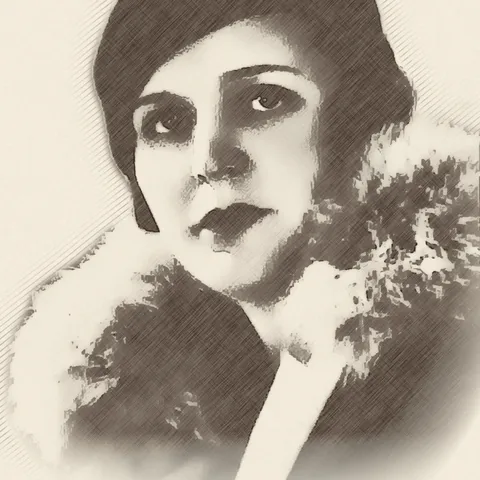 1892 – 198320th century and today
Germaine Tailleferre
The only woman in Les Six, she wrote inventive, clear music for stage and concert.
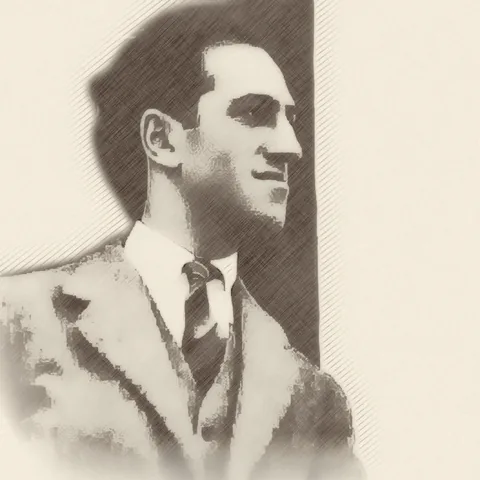 1898 – 193720th century and today
George Gershwin
An American composer who bridged jazz, Broadway and concert music.
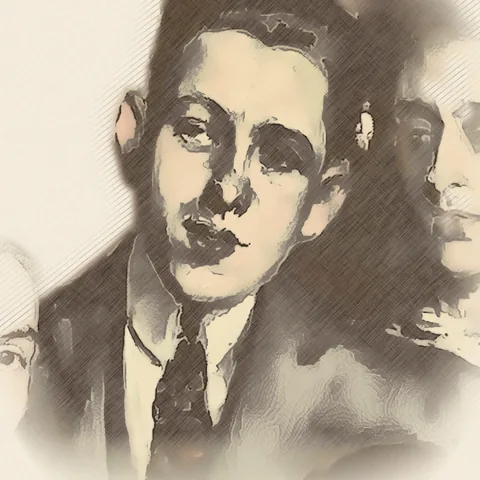 1899 – 196320th century and today
Francis Poulenc
A member of Les Six, he combined wit with profound spiritual expression.
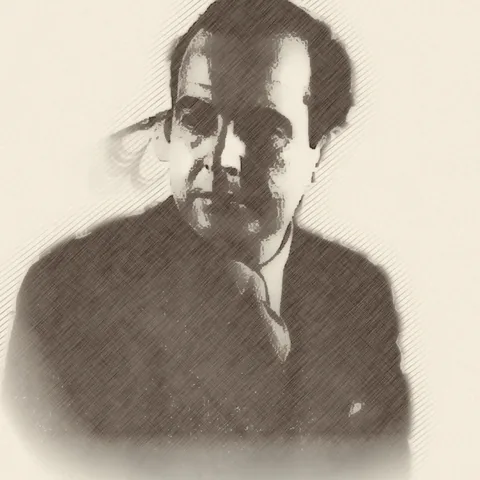 1910 – 198120th century and today
Samuel Barber
A lyrical American composer who wrote for voice, strings and orchestra.
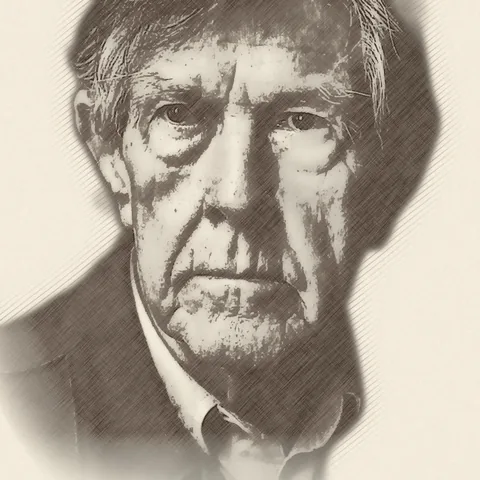 1912 – 199220th century and today
John Cage
A radical experimenter who questioned chance, silence and the act of listening.
 1913 – 197620th century and today
Benjamin Britten
He revitalized English opera and wrote accessible yet sophisticated music.