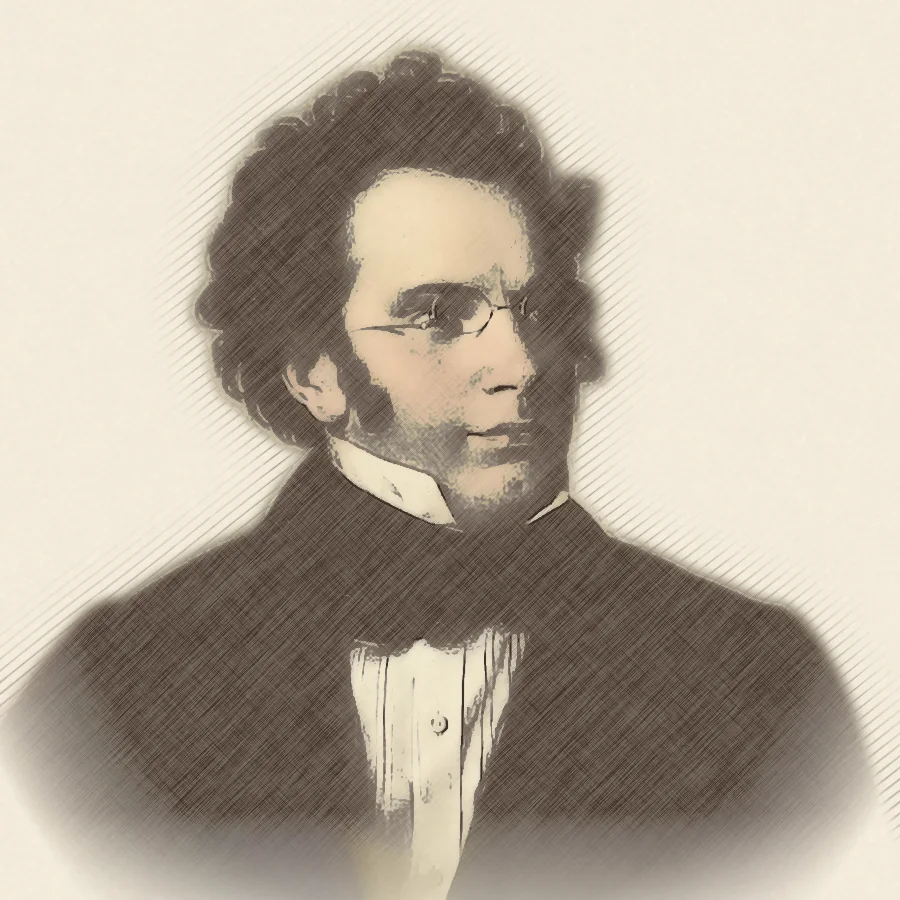
 Romantic
Franz Schubert
His songs transform poetry into intimate and expressive musical storytelling.
A life and its times
The milestones of the life and work, the contemporaries and the major world events, on a single line of time.
A life at a glance
- 1797Birth
Born in Vienna on 31 January, son of a schoolmaster
- 1804Meanwhile
Napoleon crowned emperor
- 1808Trainingage 11
Choirboy of the imperial chapel; pupil of Salieri
- 1814Workage 17
Gretchen am Spinnrade, his first masterpiece, at 17
- 1815Workage 18
Erlkönig and about 140 songs in a single year
- 1815Meanwhile
Battle of Waterloo
- 1816Meanwhile
Maelzel patents the metronome (1815–16)
- 1818Careerage 21
Music teacher to the Esterházy family at Zseliz
- 1819Workage 22
‘Trout’ Quintet
- 1821Landmarkage 24
First ‘Schubertiades’, musical evenings among friends
- 1822Workage 25
‘Unfinished’ Symphony
- 1822Meanwhile
Champollion deciphers hieroglyphs
- 1823Private lifeage 26
Falls seriously ill
- 1825Workage 28
Songs of Ellen, including the ‘Ave Maria’
- 1825Meanwhile
First public passenger railway (England)
- 1827Workage 30
Winterreise; Impromptus; torchbearer at Beethoven’s funeral
- 1828Careerage 31
His only public concert devoted to his works, on 26 March
- 1828Deathage 31
Dies in Vienna on 19 November, aged 31
Listen
Excerpts from freely licensed recordings, with their performers and licences.
Excerpts last up to 90 seconds. Franz Schubert’s compositions are in the public domain; each recording is streamed from Wikimedia Commons under the licence shown, credited to its performers or uploader.
Listen to complete works on Wikimedia Commons
Wikimedia Commons is a free media library: you will find the complete recordings there, with their reuse conditions.
- Complete recordingImpromptu in E-flat major, D. 899 No. 2
- Complete recordingEllens dritter Gesang (“Ave Maria”)
- Complete recordingOctet in F major — Scherzo
- Complete recordingImpromptu in A-flat major, D. 899 No. 4
- Wikimedia Commons fileFranz Schubert, Impromptu Opus post. D 946 - No. 3 in C major (Allegro)
- Search for the workErlkönig
- Search for the workWinterreise
- Search for the work‘Unfinished’ Symphony
- Search for the work‘Trout’ Quintet
- Search for the workAve Maria (Ellens dritter Gesang)
- Search for the workImpromptus
- Search for the workString Quintet in C
- Everything on CommonsAll recordings of Franz Schubert
The life of Franz Schubert
Franz Schubert was born on 31 January 1797 at Himmelpfortgrund, a suburb of Vienna. His father, Franz Theodor, was a schoolmaster, and the large family lived modestly in the house that also served as the school. Of fourteen children, only five survived. Franz learned violin from his father and piano from his elder brother Ignaz, then took lessons from the parish organist, who declared he had nothing to teach him: the boy already knew everything.
In 1808 he was accepted as a choirboy in the imperial chapel and became a pupil at the Stadtkonvikt, the imperial seminary, where he received an excellent education. He played in the students’ orchestra, which he came to lead, and discovered the symphonies of Haydn, Mozart and Beethoven. Antonio Salieri, the court composer, gave him composition lessons. When his voice broke in 1812 he left the Konvikt but continued to study with Salieri, who recognised his exceptional talent.
To avoid military service he became in 1814 a teacher at his father’s school, a job he hated. That same year, aged seventeen, he composed Gretchen am Spinnrade, on a poem by Goethe, in which the piano imitates the spinning wheel: his first masterpiece. The year 1815 was prodigious: he composed about 140 songs, including Erlkönig, a fantastic ballad in which a father gallops through the night with his sick child, pursued by a supernatural creature. He also wrote two symphonies, masses and several operas.
In 1816 he gave up teaching to devote himself to music, living with friends and on small earnings. He never obtained an official post. He was surrounded by a circle of loyal friends — poets, painters, singers — who believed in his genius, such as the poet Franz von Schober, the painter Moritz von Schwind and the singer Johann Michael Vogl. From 1821 they organised musical evenings called “Schubertiads”, where Schubert played his latest compositions. In 1818 and 1824 he spent two summers as music teacher to Count Esterházy’s daughters at Zseliz in Hungary.
In 1819, on a trip to Upper Austria, he composed the “Trout” Quintet, one movement of which is a set of variations on his song of the same name. In 1822 he began a symphony in B minor of which he completed only two movements: the famous “Unfinished”. At the end of 1822 he fell seriously ill with a disease that weakened him for the rest of his life. Yet he composed tirelessly: the song cycle Die schöne Müllerin (1823), the Songs of Ellen, including the famous “Ave Maria” (1825), and the “Great” Symphony in C major.
In 1827 he carried a torch at the funeral of Beethoven, whom he deeply admired. That same year he composed Winterreise, a cycle of twenty-four songs on poems by Wilhelm Müller describing a man’s desperate wandering through the snow. He also wrote his Impromptus and Moments musicaux for piano. On 26 March 1828, exactly a year after Beethoven’s death, he gave his only public concert devoted entirely to his own works, which was a great success.
His last months were incredibly productive: the last three piano sonatas, the String Quintet in C, the songs of Schwanengesang. But his health declined, and he died in Vienna on 19 November 1828, aged thirty-one, probably of typhoid fever. As he wished, he was buried near Beethoven. He left more than six hundred songs, nine symphonies and a vast body of chamber and piano music, much of which was discovered and performed only after his death.
Works to know
- 1815
Erlkönig
Breathless song: a father gallops through the night with his sick child.
Listen on Wikimedia Commons - 1819
‘Trout’ Quintet
Joyful chamber music on his trout song.
Listen on Wikimedia Commons - 1822
‘Unfinished’ Symphony
Only two movements, mysteriously left that way.
Listen on Wikimedia Commons - 1825
Ave Maria (Ellens dritter Gesang)
A prayer that became one of the best-loved melodies.
Listen on Wikimedia Commons - 1827
Winterreise
Cycle of 24 songs about a rejected lover’s wandering.
Listen on Wikimedia Commons - 1827
Impromptus
Lyrical, intimate piano pieces.
Listen on Wikimedia Commons - 1828
String Quintet in C
Ultimate masterpiece with two cellos.
Listen on Wikimedia Commons
Anecdotes
In 1815 he composed about 140 songs… in a single year!
He sometimes slept with his glasses on so he could compose as soon as he woke up.
His “Unfinished” Symphony has only two movements: no one really knows why he did not complete it.
He was buried near Beethoven, as he had wished.
Same era · Romantic
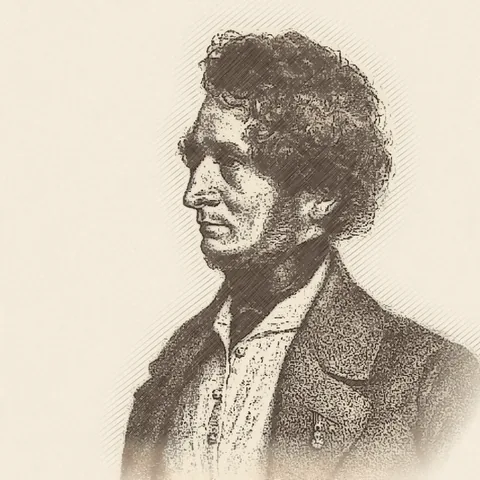 1803 – 1869Romantic
Hector Berlioz
He imagined spectacular orchestras and told stories through instrumental colors.
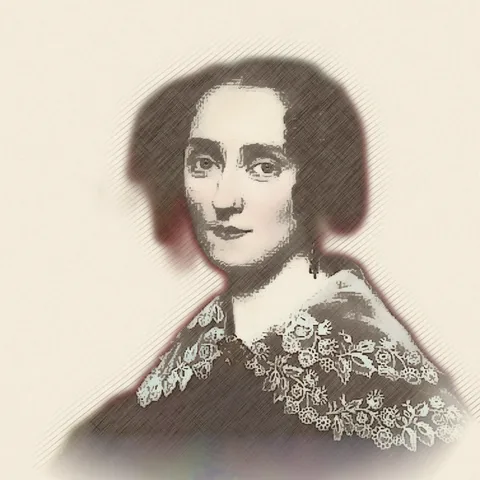 1804 – 1875Romantic
Louise Farrenc
A pianist, composer and Paris Conservatoire professor, she championed instrumental music.
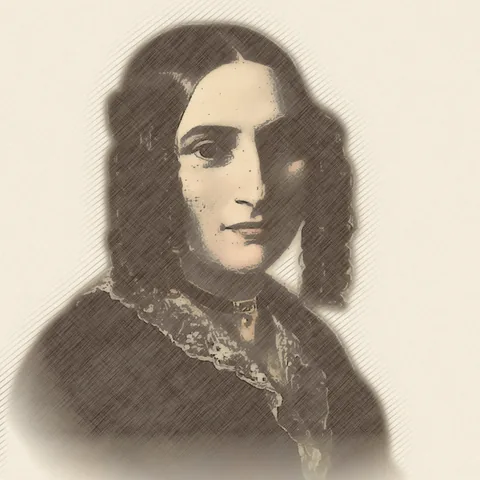 1805 – 1847Romantic
Fanny Mendelssohn
A composer and pianist who wrote hundreds of works despite social constraints.
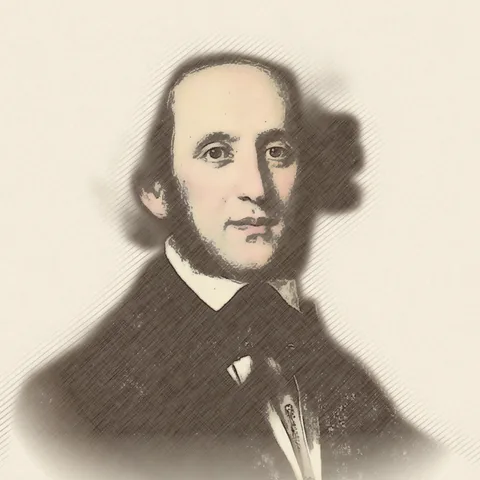 1809 – 1847Romantic
Felix Mendelssohn
A conductor and composer who revived Bach and wrote music of great clarity.
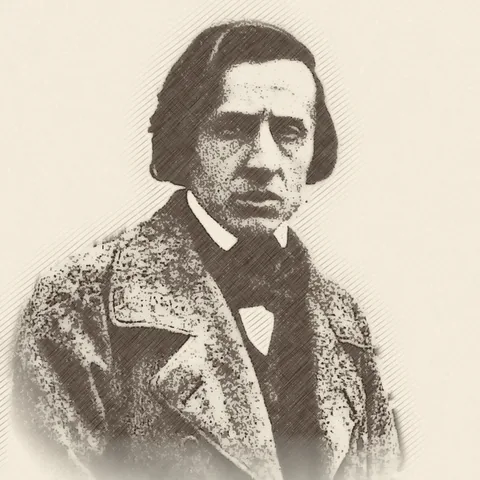 1810 – 1849Romantic
Frédéric Chopin
At the piano, he combined virtuosity, poetry and memories of Polish dance.
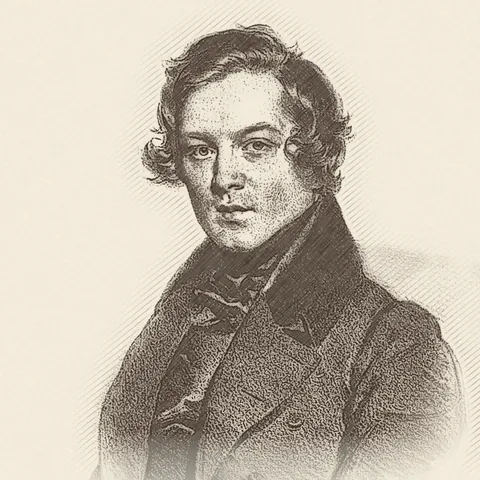 1810 – 1856Romantic
Robert Schumann
A composer and critic, he explored psychological contrasts in piano music.