One hundred composers,
a thousand years of music
Come and meet
the great musicians!
From Hildegard von Bingen’s chant to Steve Reich’s pulses: timelines to place each life, freely licensed excerpts to listen to, full biographies to understand.
Choose an era
Ten broad periods to find your way: tap an era to filter the list, or search for a name, a work or an instrument.
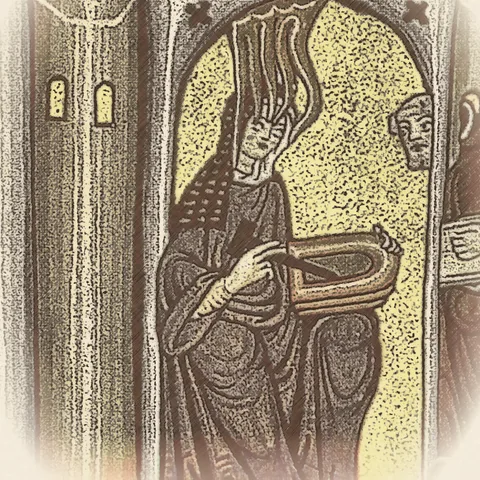 1098 – 1179Middle Ages
Hildegard von Bingen
Abbess, thinker and composer, she combined spiritual poetry with expansive melodic lines.
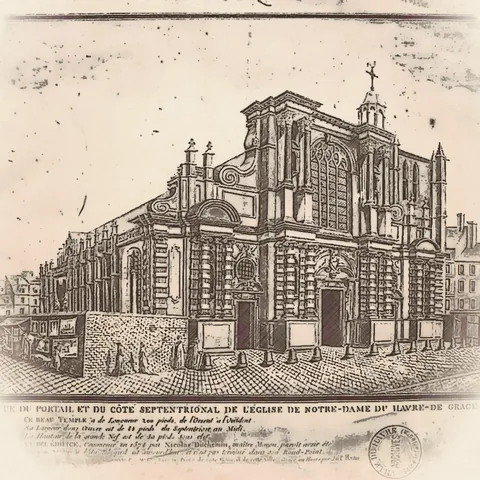 c. 1135 – c. 1201Middle Ages
Léonin
Associated with Notre-Dame in Paris, he is a foundational figure of polyphonic organum.
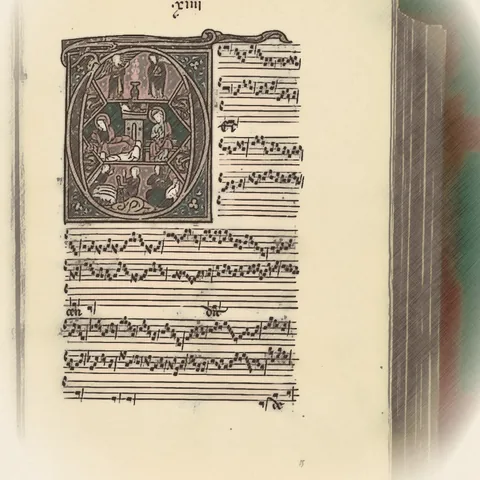 c. 1160 – c. 1230Middle Ages
Pérotin
At Notre-Dame in Paris, he developed polyphony by combining independent vocal lines.
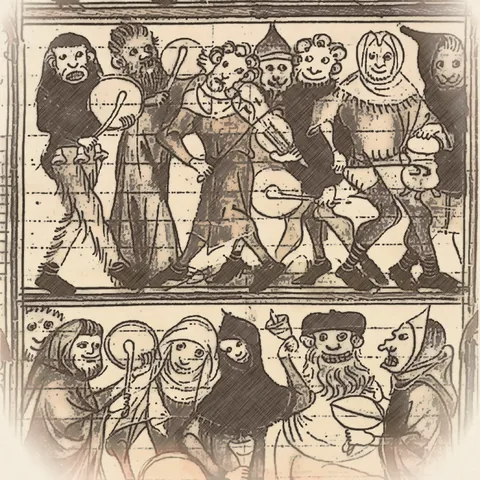 1291 – 1361Middle Ages
Philippe de Vitry
Bishop, poet and theorist, he is associated with the fourteenth-century Ars nova.
 c. 1300 – 1377Middle Ages
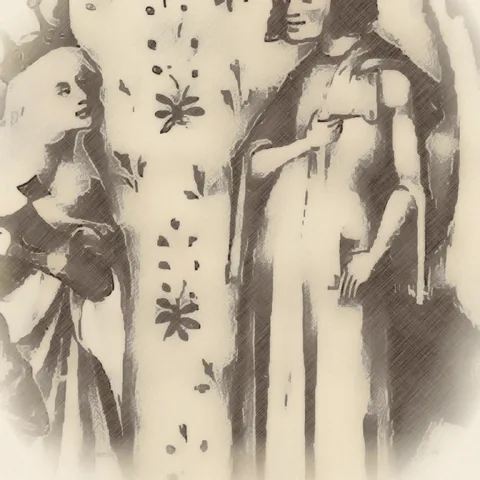
Guillaume de Machaut
A poet and musician, he joined courtly song with sophisticated polyphonic writing.
 c. 1390 – 1453Renaissance
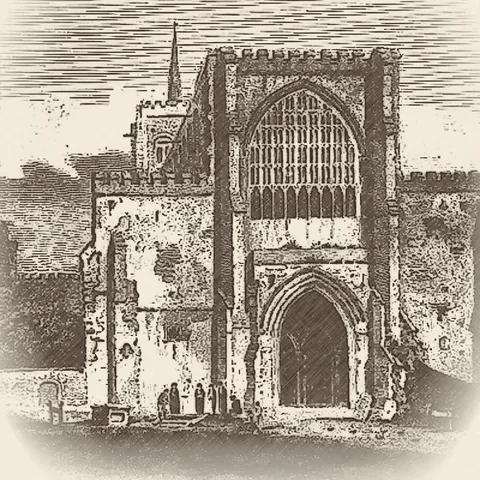
John Dunstaple
His English music helped spread a new harmonic language across Europe.
 c. 1397 – 1474Renaissance
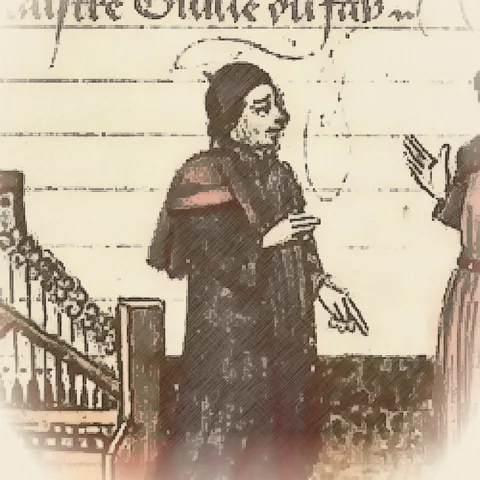
Guillaume Dufay
Working between France and Italy, he bridged medieval traditions and Renaissance style.
 c. 1410 – 1497Renaissance
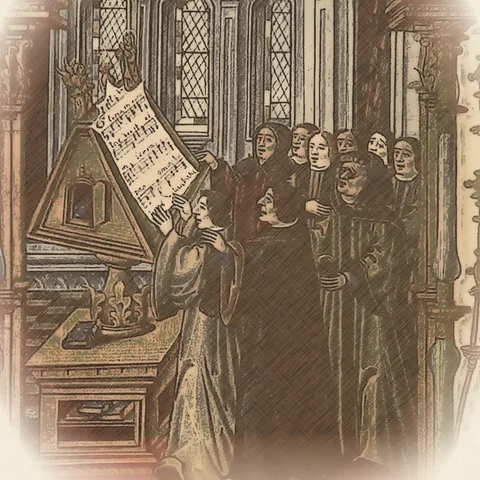
Johannes Ockeghem
A Franco-Flemish singer and composer, he developed remarkably sophisticated vocal counterpoint.
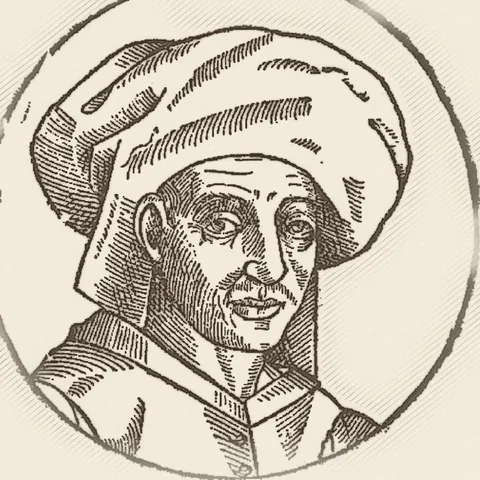 c. 1450 – 1521Renaissance
Josquin des Prez
His music lets voices converse with striking expressive clarity.
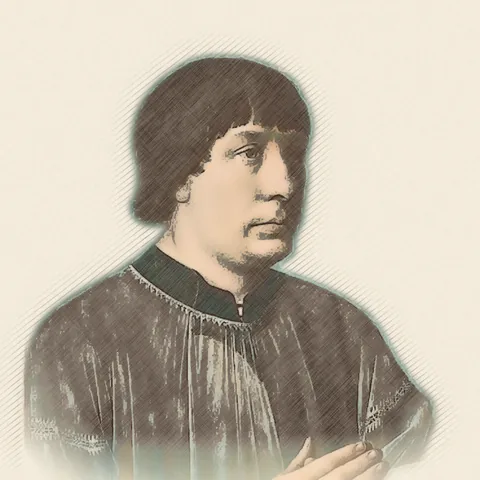 c. 1457 – 1505Renaissance
Jacob Obrecht
A Franco-Flemish composer celebrated for inventive polyphonic masses.
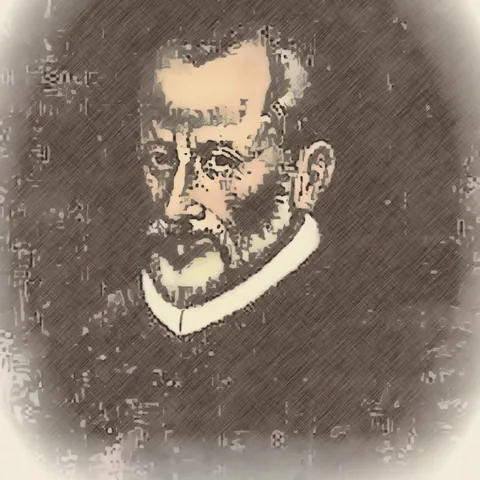 c. 1525 – 1594Renaissance
Giovanni Pierluigi da Palestrina
He epitomized balanced vocal polyphony in Renaissance sacred music.
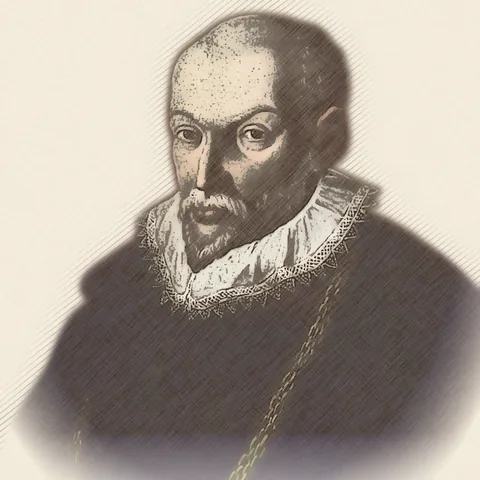 1532 – 1594Renaissance
Orlando di Lasso
A cosmopolitan musician based in Munich, he wrote in many languages and genres.
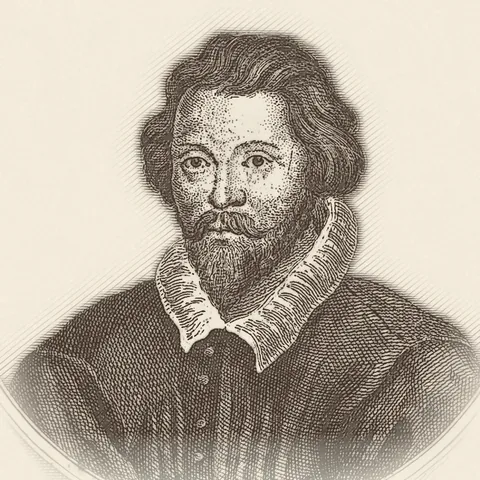 c. 1540 – 1623Renaissance
William Byrd
An English Catholic composer, he wrote deeply expressive music amid religious tensions.
 c. 1548 – 1611Renaissance
Tomás Luis de Victoria
A Spanish priest and composer, he brought remarkable expressive intensity to sacred polyphony.
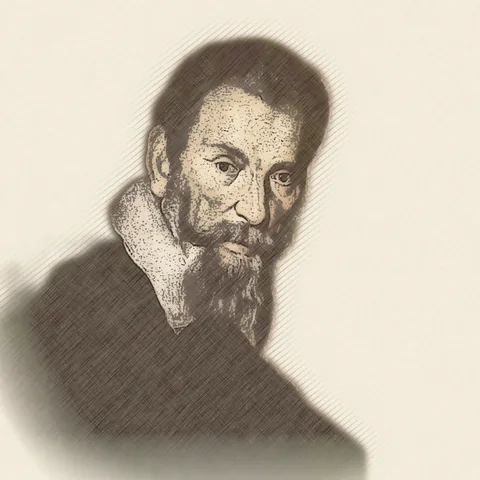 1567 – 1643Baroque
Claudio Monteverdi
Bridging Renaissance and Baroque, he made dramatic emotion central to music.
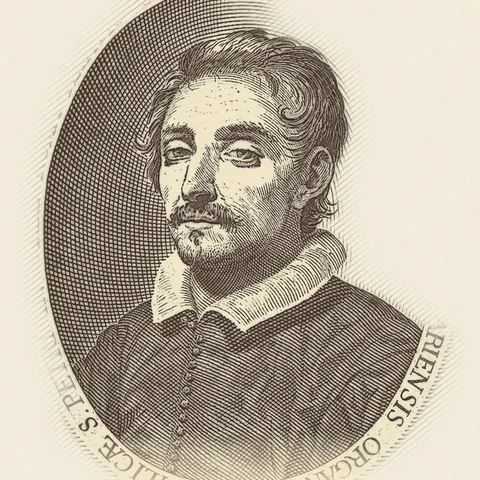 1583 – 1643Baroque
Girolamo Frescobaldi
A Roman organist who transformed keyboard writing and the art of variation.
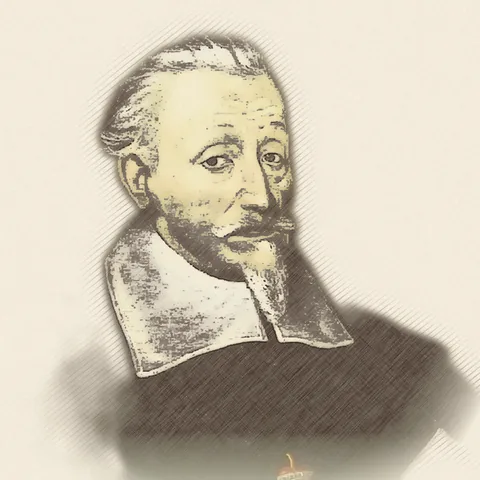 1585 – 1672Baroque
Heinrich Schütz
He brought Italian expressive innovations to German sacred music.
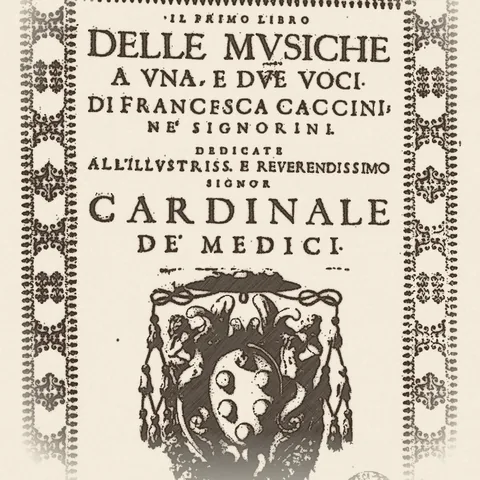 1587 – c. 1641Baroque
Francesca Caccini
A Medici court musician, she was a pioneer of early Italian musical theatre.
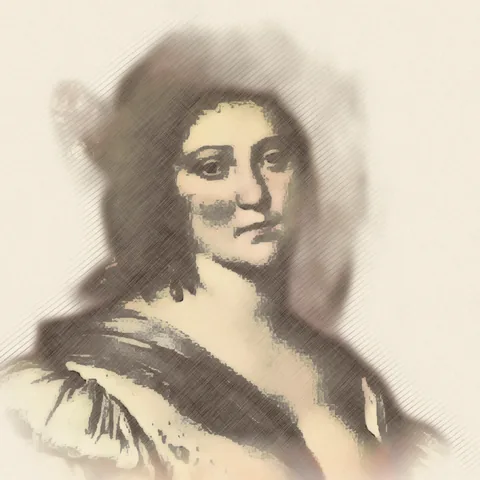 1619 – 1677Baroque
Barbara Strozzi
A Venetian singer and composer who published extensive vocal collections under her own name.
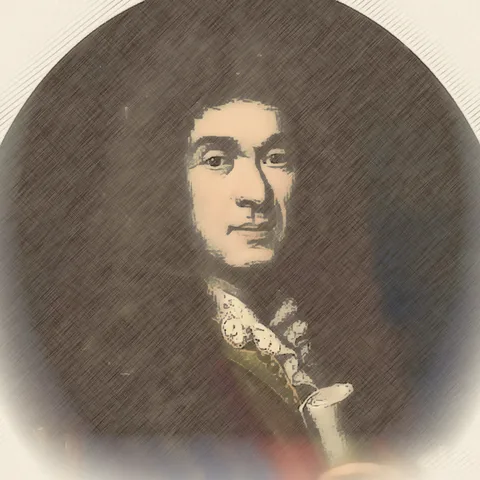 1632 – 1687Baroque
Jean-Baptiste Lully
At Louis XIV's court, he shaped French opera and ballet music.
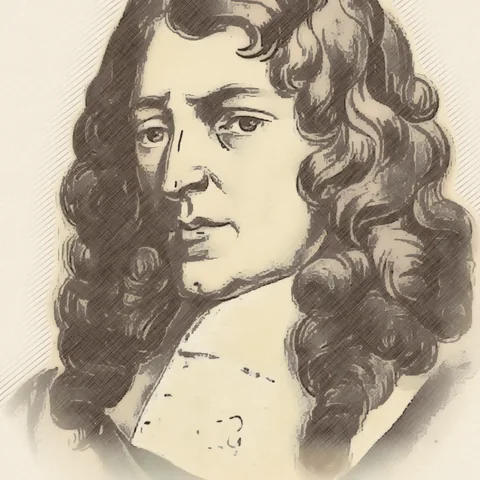 1643 – 1704Baroque
Marc-Antoine Charpentier
A French composer of sacred and theatre music, he mastered Italian style.
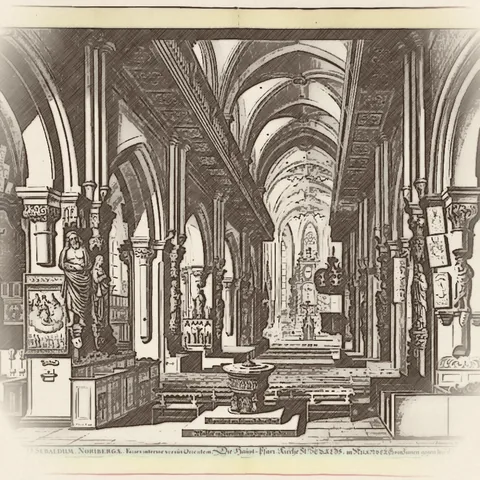 1653 – 1706Baroque
Johann Pachelbel
A German organist who influenced the south German keyboard tradition.
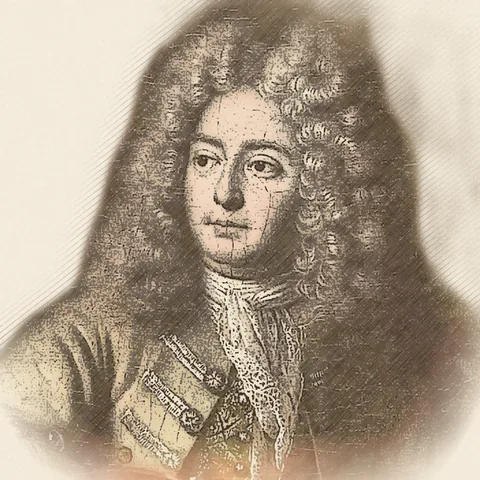 1656 – 1728Baroque
Marin Marais
A court musician under Louis XIV, he elevated the viola da gamba as a solo instrument.
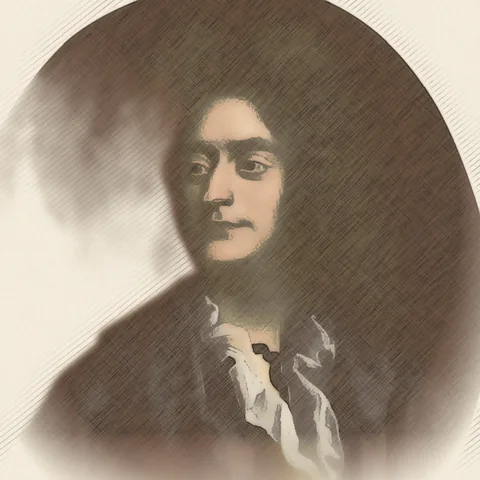 1659 – 1695Baroque
Henry Purcell
His stage music blends melodic subtlety and emotional force.
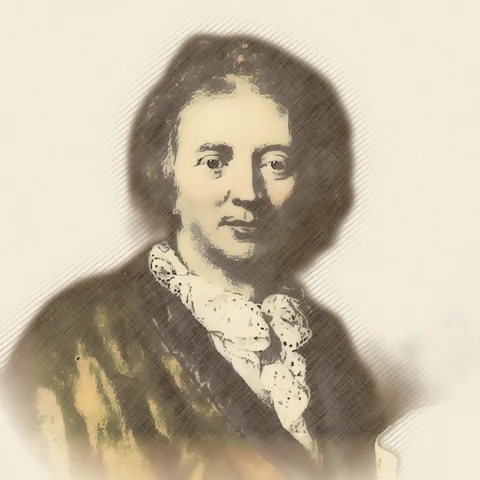 1668 – 1733Baroque
François Couperin
A French court harpsichordist, he blended French elegance and Italian influences.
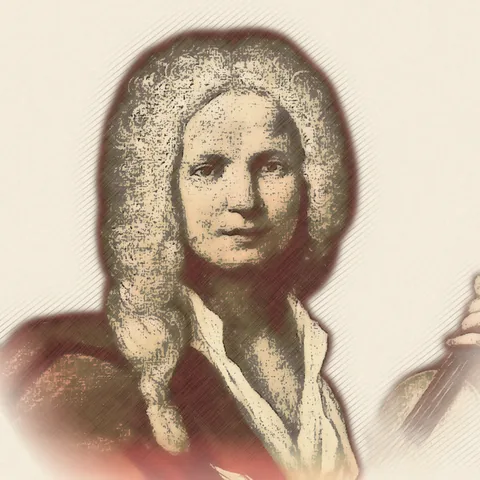 1678 – 1741Baroque
Antonio Vivaldi
A Venetian violinist and priest, he reshaped the concerto through contrast and virtuosity.
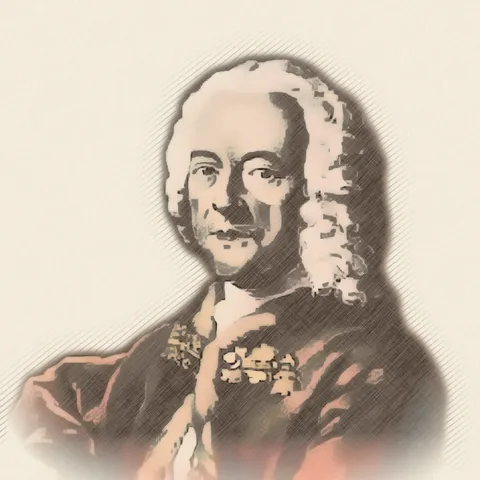 1681 – 1767Baroque
Georg Philipp Telemann
A prolific composer, he led Hamburg's musical life and combined European styles.
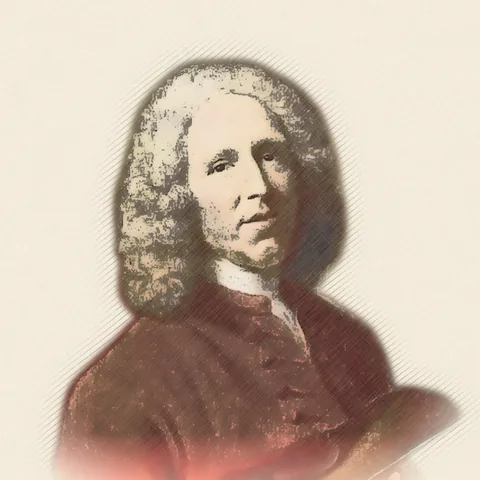 1683 – 1764Baroque
Jean-Philippe Rameau
A harmony theorist and man of the theatre, he brought bold colors to French orchestration.
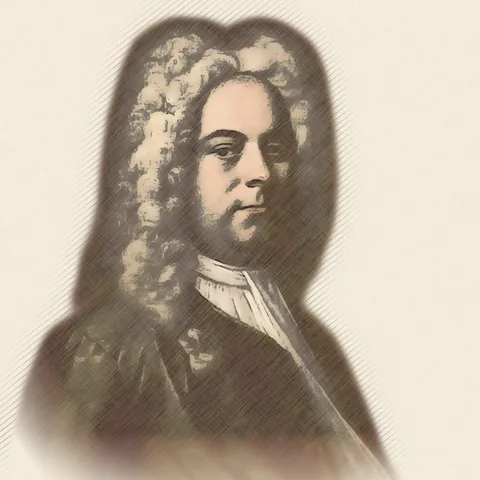 1685 – 1759Baroque
Georg Friedrich Haendel
Born in Germany and active in London, he excelled in oratorio and public spectacle.
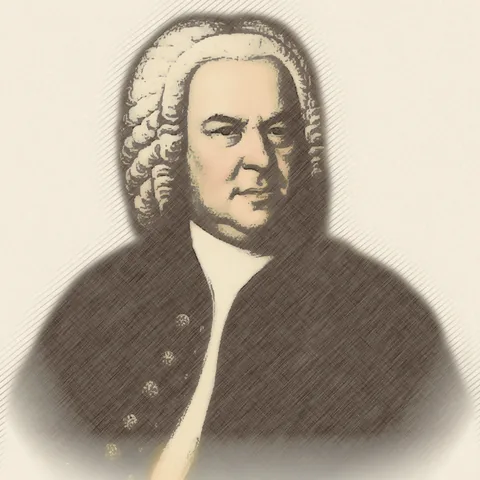 1685 – 1750Baroque
Johann Sebastian Bach
An organist and master of counterpoint, he built musical structures of exceptional depth.
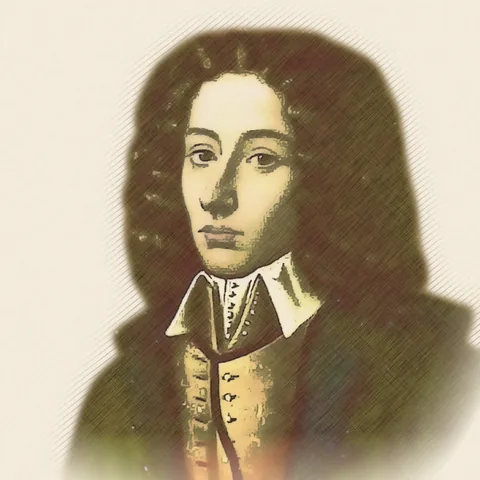 1710 – 1736Baroque
Jean-Baptiste Pergolèse
An Italian composer who died young and shaped comic opera and sacred music.
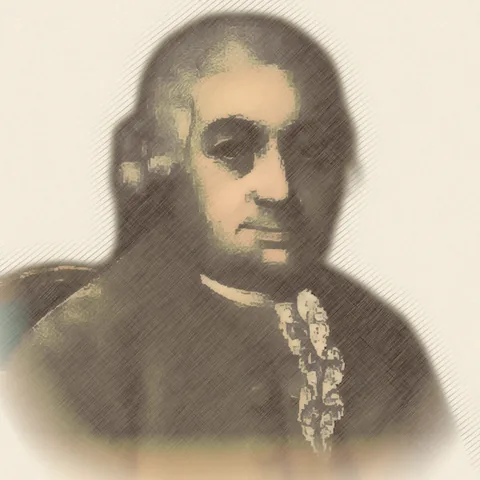 1714 – 1788Classical
Carl Philipp Emanuel Bach
Son of J. S. Bach, he helped shape an expressive transitional style.
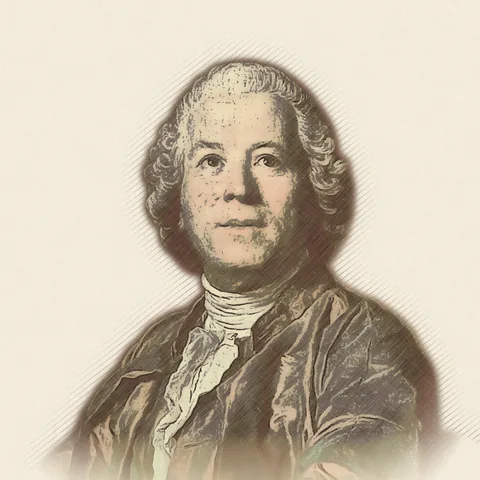 1714 – 1787Classical
Christoph Willibald Gluck
He reformed opera by prioritizing drama over vocal display.
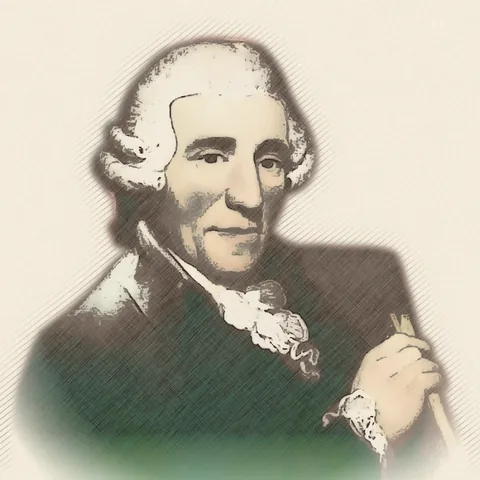 1732 – 1809Classical
Joseph Haydn
A major figure in symphony and quartet, he combined invention, humor and balance.
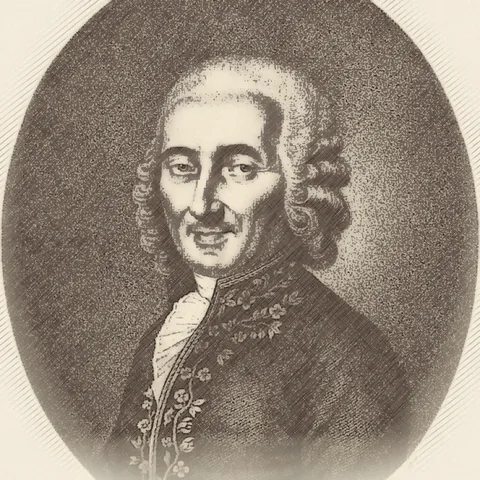 1743 – 1805Classical
Luigi Boccherini
A virtuoso cellist who greatly expanded classical chamber music.
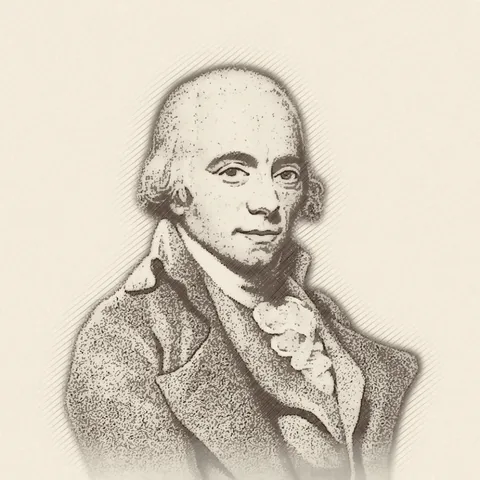 1752 – 1832Classical
Muzio Clementi
Pianist, publisher and piano maker, he shaped modern piano technique.
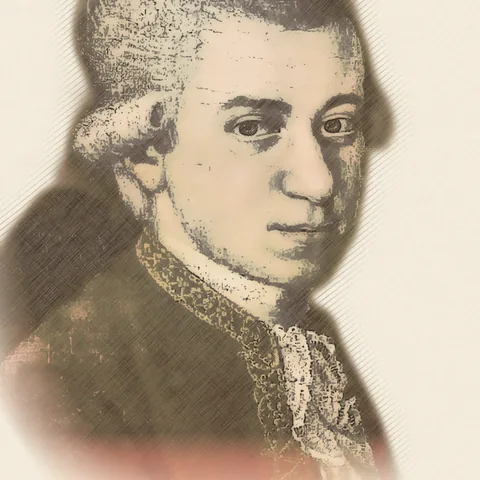 1756 – 1791Classical
Wolfgang Amadeus Mozart
A child prodigy who mastered opera and symphony, he combined grace with emotional depth.
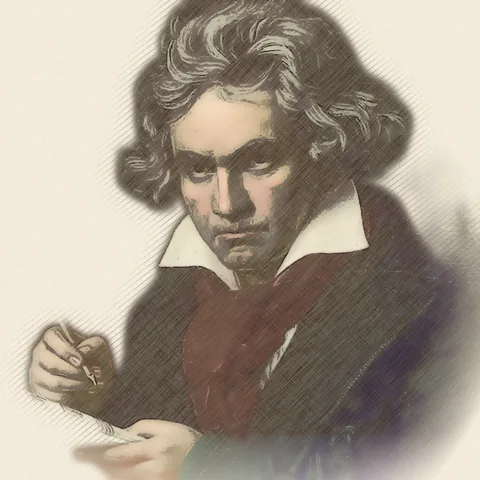 1770 – 1827Classical to Romantic
Ludwig van Beethoven
He expanded classical forms and made music a powerful personal dramatic statement.
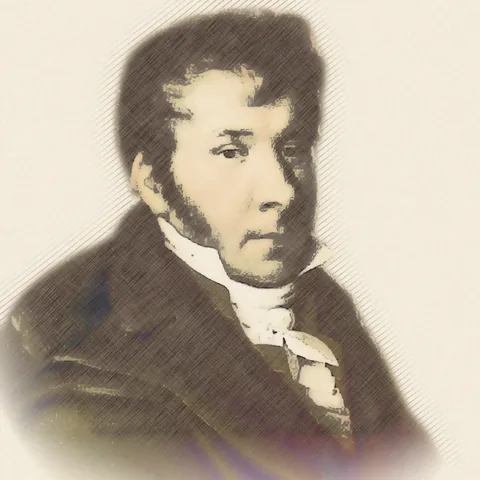 1778 – 1837Classical to Romantic
Johann Nepomuk Hummel
A pianist and composer bridging Viennese classicism and Romantic virtuosity.
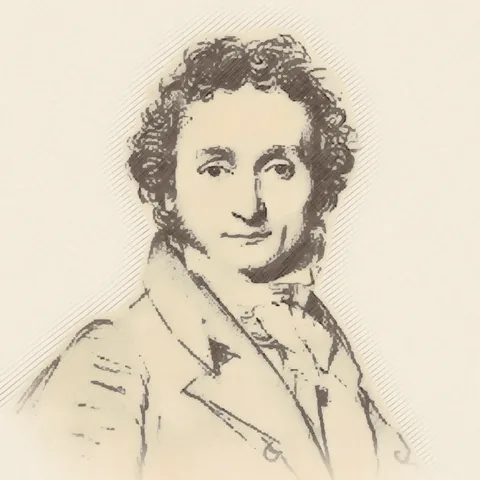 1782 – 1840Classical to Romantic
Niccolò Paganini
A virtuoso violinist who transformed instrumental technique and the soloist's public image.
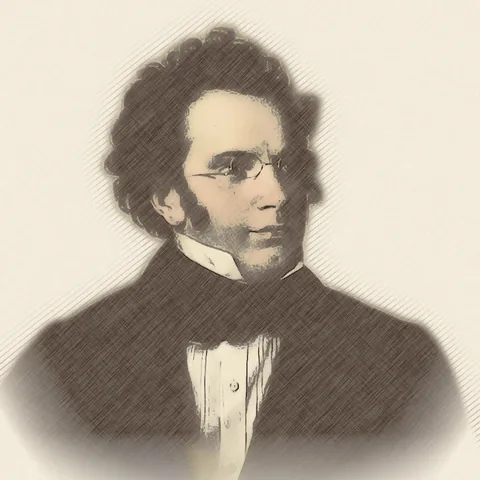 1797 – 1828Romantic
Franz Schubert
His songs transform poetry into intimate and expressive musical storytelling.
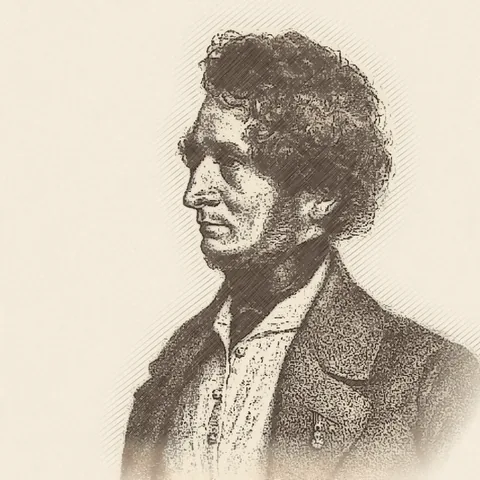 1803 – 1869Romantic
Hector Berlioz
He imagined spectacular orchestras and told stories through instrumental colors.
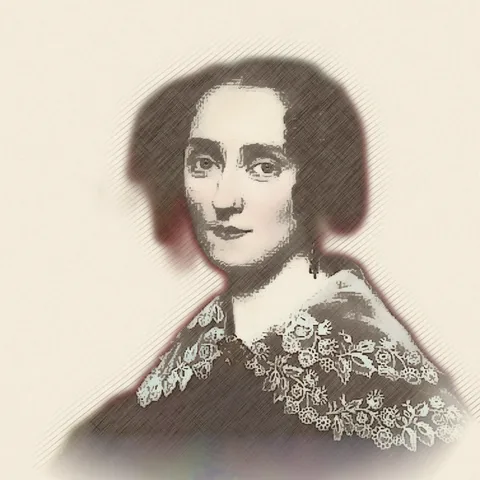 1804 – 1875Romantic
Louise Farrenc
A pianist, composer and Paris Conservatoire professor, she championed instrumental music.
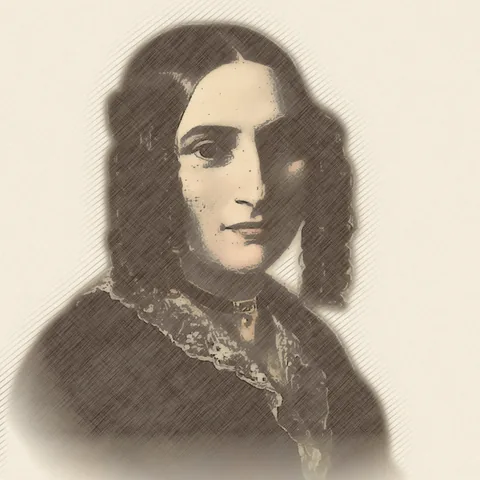 1805 – 1847Romantic
Fanny Mendelssohn
A composer and pianist who wrote hundreds of works despite social constraints.
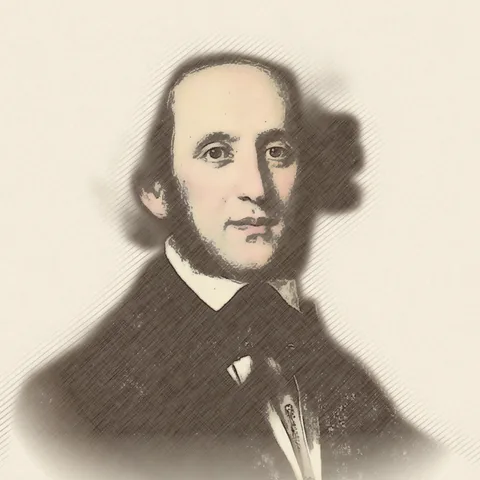 1809 – 1847Romantic
Felix Mendelssohn
A conductor and composer who revived Bach and wrote music of great clarity.
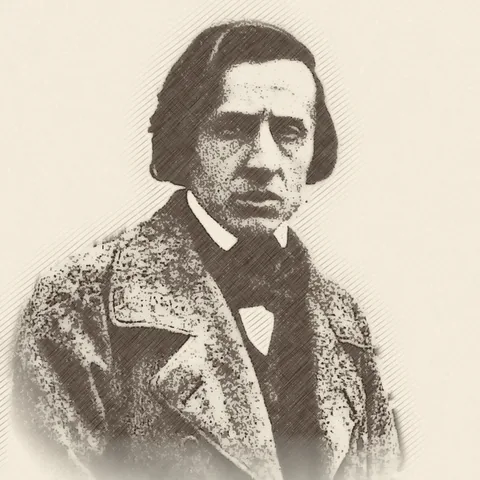 1810 – 1849Romantic
Frédéric Chopin
At the piano, he combined virtuosity, poetry and memories of Polish dance.
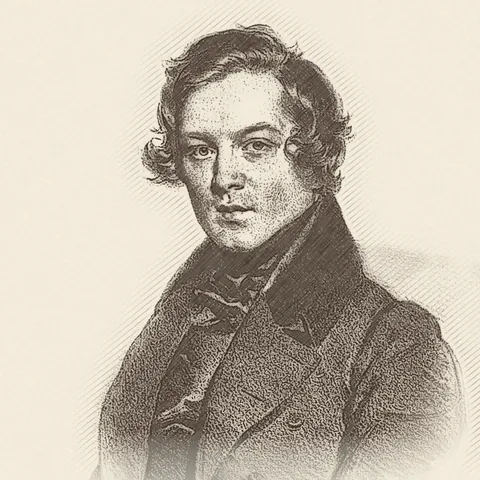 1810 – 1856Romantic
Robert Schumann
A composer and critic, he explored psychological contrasts in piano music.
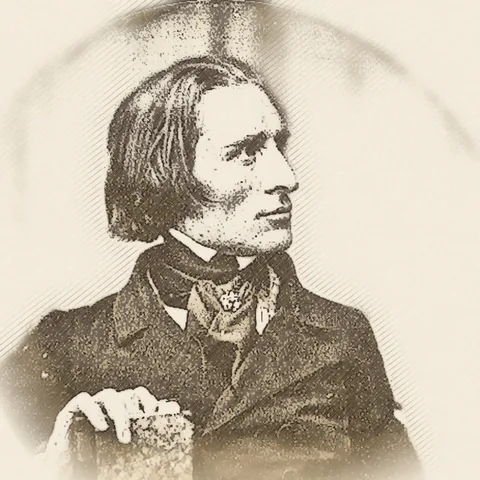 1811 – 1886Romantic
Franz Liszt
A star pianist, he invented new forms and developed the symphonic poem.
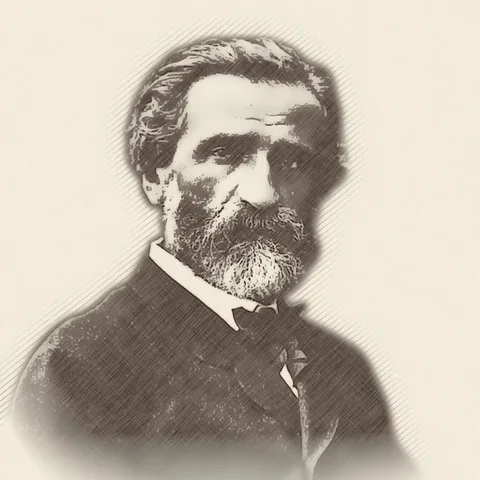 1813 – 1901Romantic
Giuseppe Verdi
His operas give unforgettable voice to human passions and conflicts.
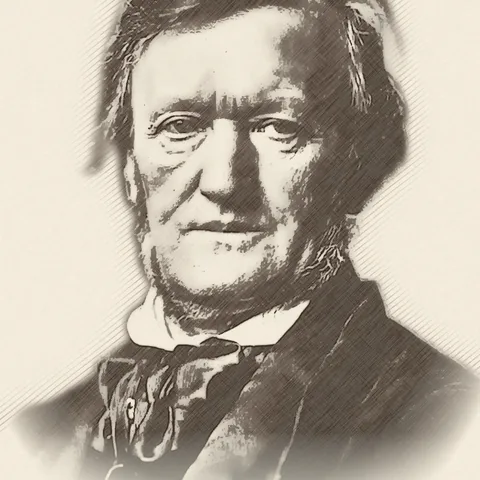 1813 – 1883Romantic
Richard Wagner
He envisioned music drama as a unity of orchestra, poetry and stagecraft.
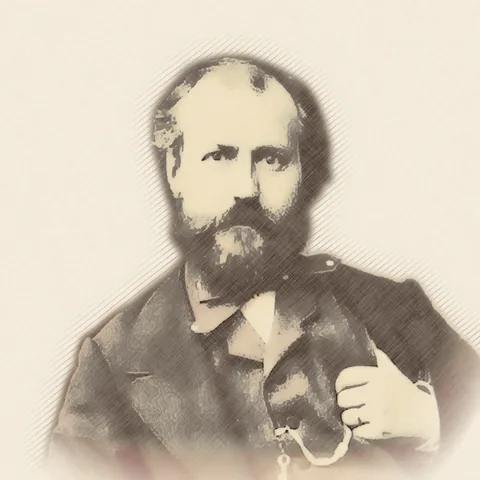 1818 – 1893Romantic
Charles Gounod
A French composer who shaped Romantic opera and sacred music.
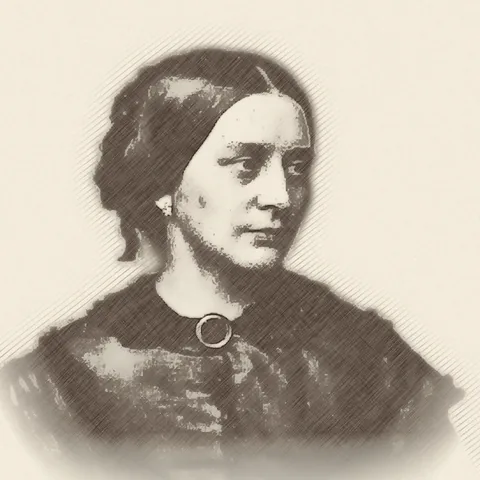 1819 – 1896Romantic
Clara Schumann
An internationally renowned pianist and composer, she also championed contemporary music.
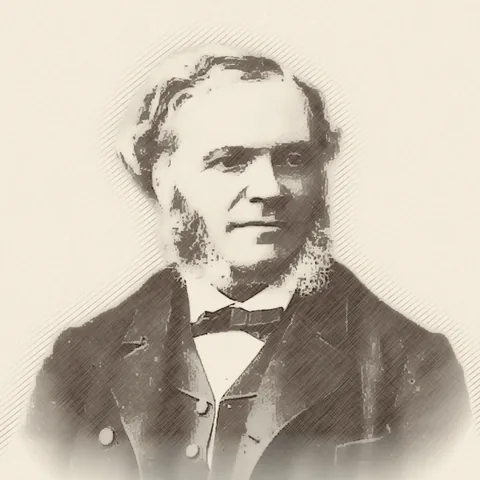 1822 – 1890Romantic
César Franck
An organist and teacher who developed cyclic forms in French music.
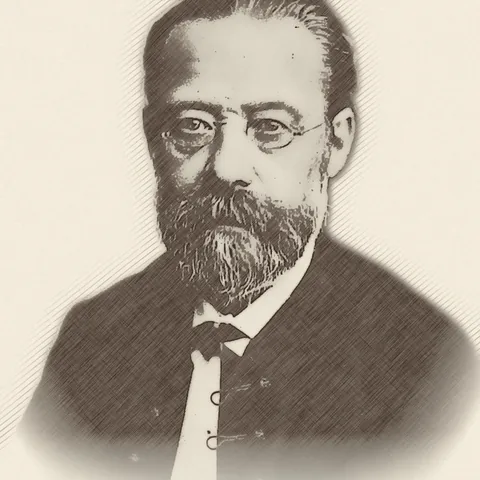 1824 – 1884Romantic
Bedřich Smetana
A leading Czech composer who joined opera, symphonic poetry and national identity.
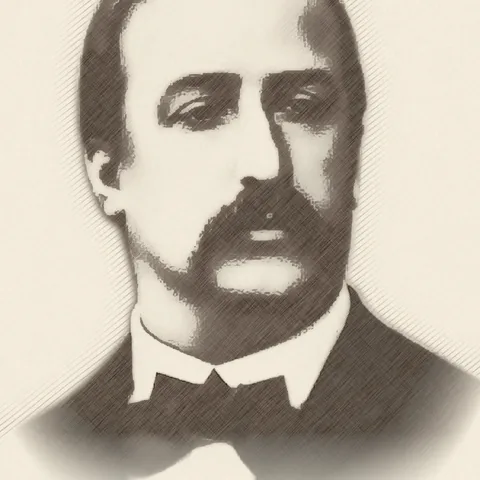 1833 – 1887Romantic
Alexandre Borodine
A chemist and composer who combined scientific research and musical creativity.
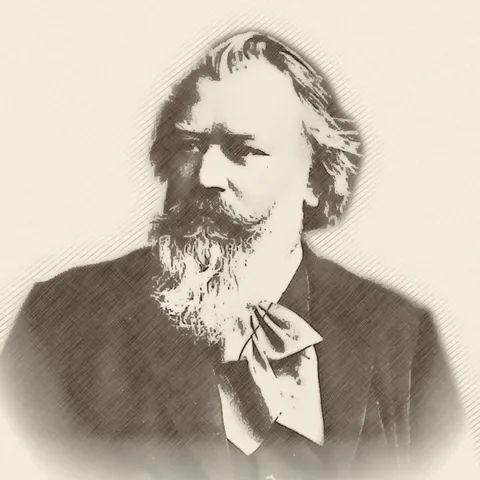 1833 – 1897Romantic
Johannes Brahms
He reinvented classical forms with Romantic intensity and dense thematic craft.
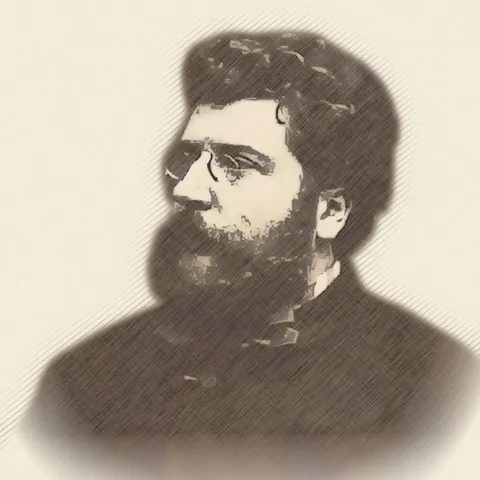 1838 – 1875Romantic
Georges Bizet
His opera Carmen, initially controversial, became a landmark of musical theatre.
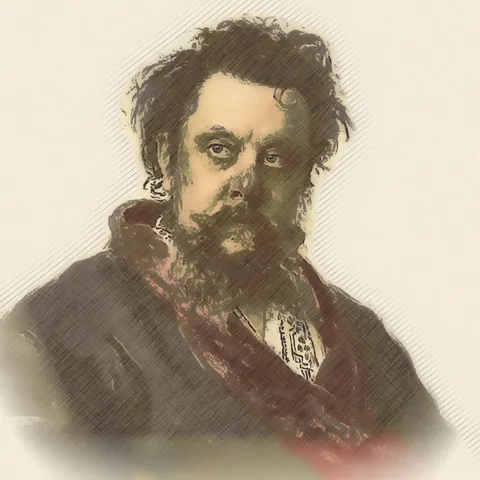 1839 – 1881Romantic
Modeste Moussorgski
A member of The Five, he sought an original dramatic and vocal language.
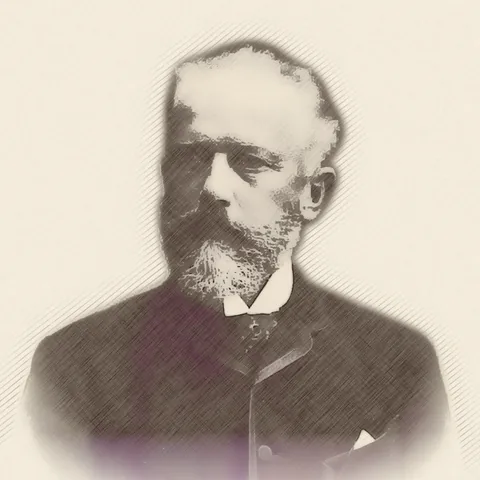 1840 – 1893Romantic
Piotr Ilitch Tchaïkovski
His ballets and symphonies unite memorable melodies and dramatic emotion.
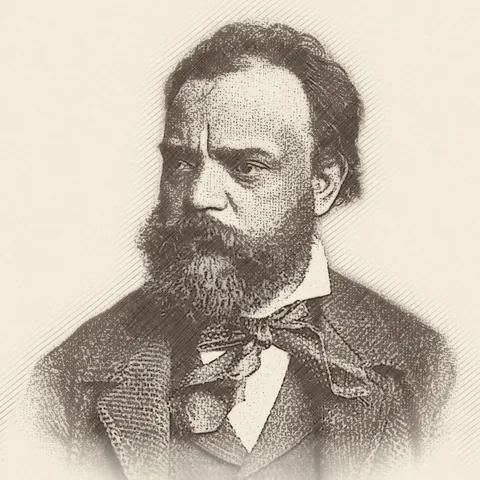 1841 – 1904Romantic
Antonín Dvořák
He blended symphonic tradition with Czech and American folk inspirations.
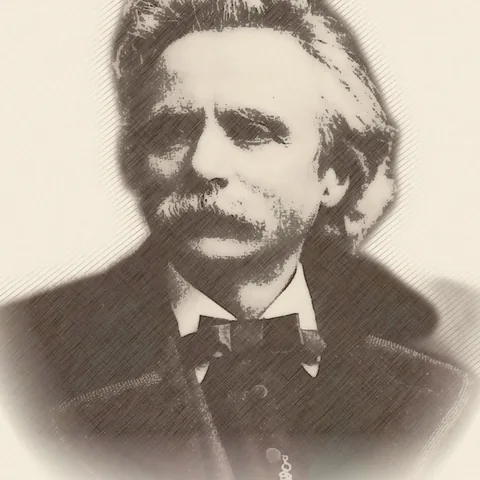 1843 – 1907Romantic
Edvard Grieg
He created evocative soundscapes inspired by Norwegian traditions.
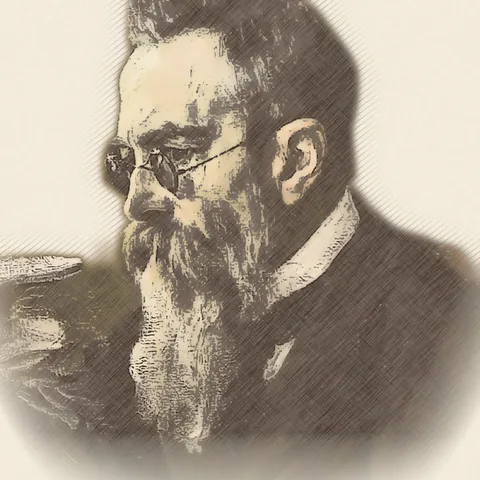 1844 – 1908Late Romantic
Nikolaï Rimski-Korsakov
A brilliant orchestrator whose sound palette influenced generations.
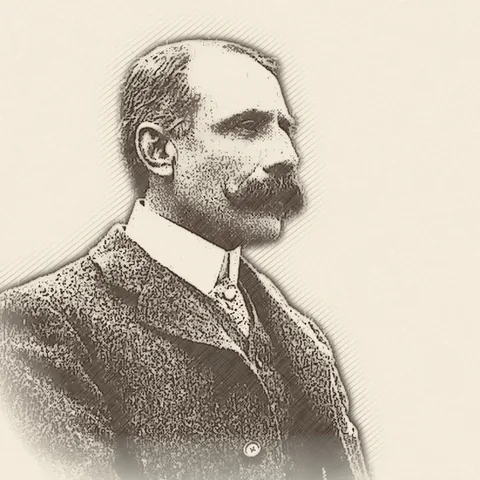 1857 – 1934Late Romantic
Edward Elgar
An English composer combining orchestral grandeur and intimate lyricism.
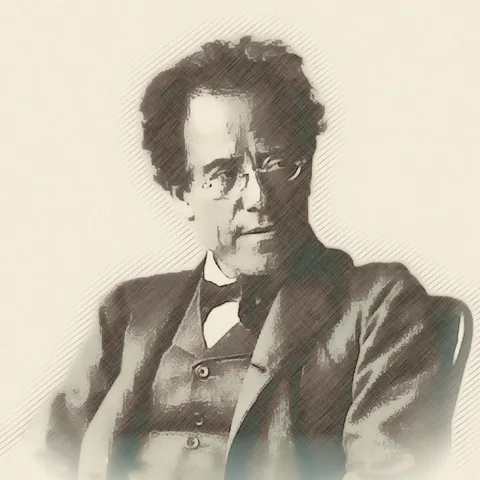 1860 – 1911Late Romantic
Gustav Mahler
His vast symphonies confront nature, irony, love and existential questions.
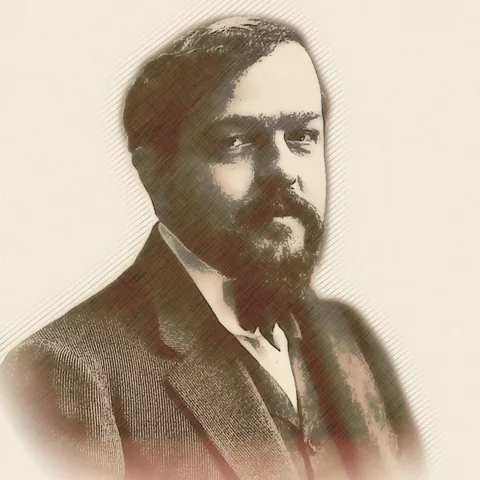 1862 – 1918Impressionism and modernity
Claude Debussy
He transformed harmony and orchestral color through suggestion rather than direct narrative.
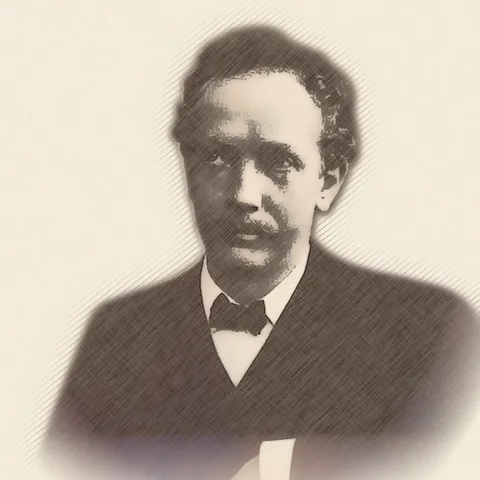 1864 – 1949Late Romantic
Richard Strauss
He pushed Romantic orchestration toward extraordinary richness and contrast.
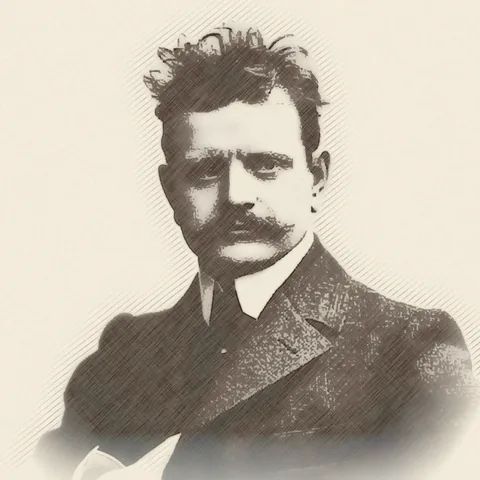 1865 – 1957Late Romantic
Jean Sibelius
He composed organic forms inspired by Finnish landscapes and culture.
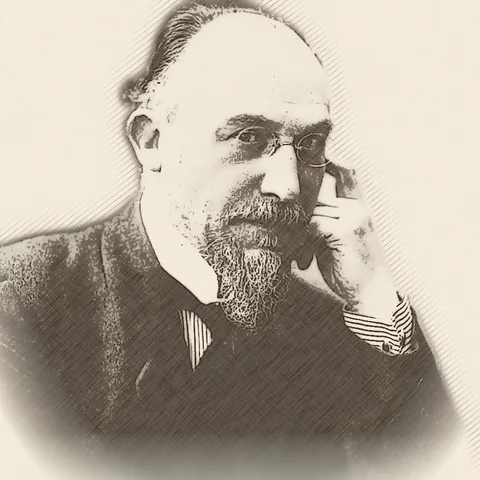 1866 – 1925Impressionism and modernity
Erik Satie
With spare pieces and wit, he challenged Romantic grandiosity.
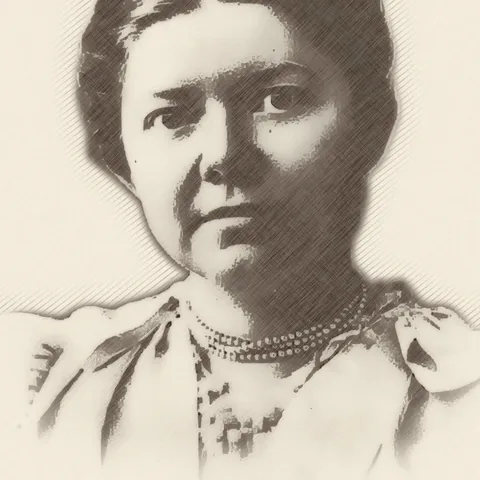 1867 – 1944Late Romantic
Amy Beach
An American pianist and composer who excelled in symphonic and chamber music.
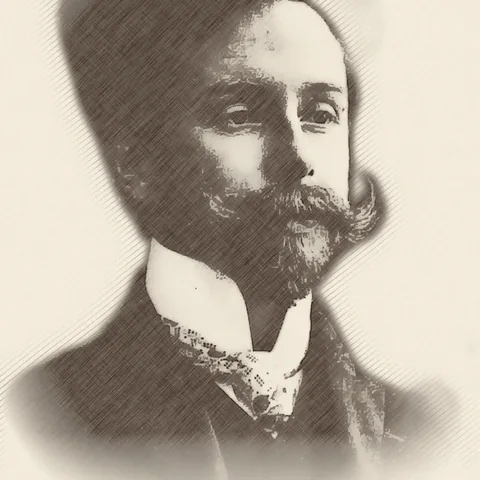 1872 – 1915Impressionism and modernity
Alexandre Scriabine
A pianist and mystic who explored chromatic harmony and multisensory projects.
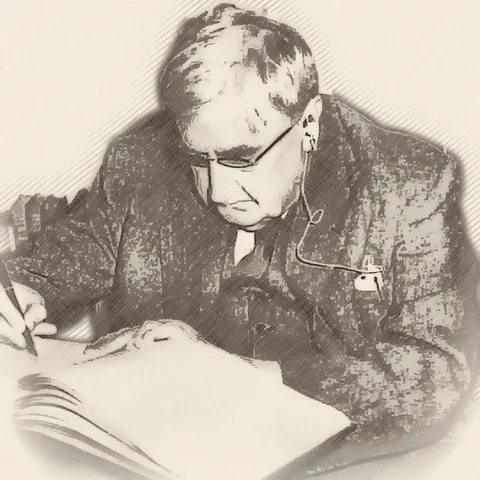 1872 – 1958Late Romantic
Ralph Vaughan Williams
An English composer inspired by folk songs and choral tradition.
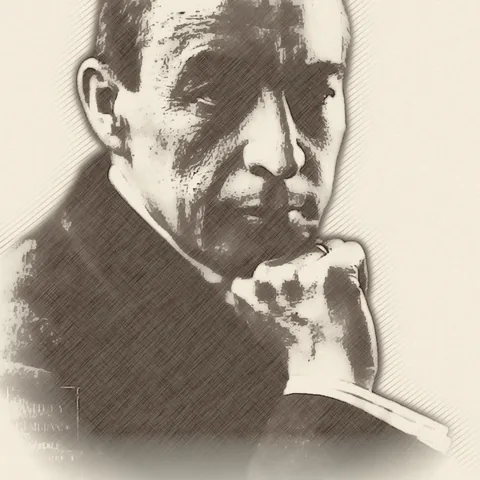 1873 – 1943Late Romantic
Sergueï Rachmaninov
A virtuoso pianist, he carried Russian lyric Romanticism into the twentieth century.
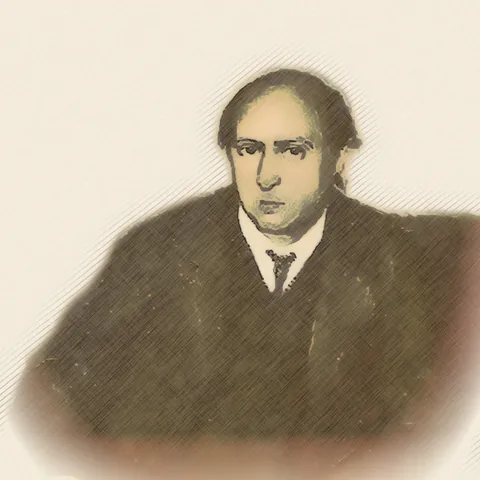 1874 – 1951Modernism
Arnold Schönberg
A pioneer of atonality and twelve-tone composition who redefined musical structure.
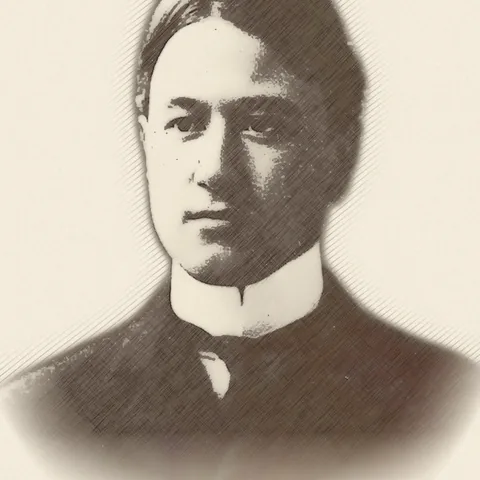 1874 – 1954Modernism
Charles Ives
An experimental American composer who layered hymns, marches and tonalities.
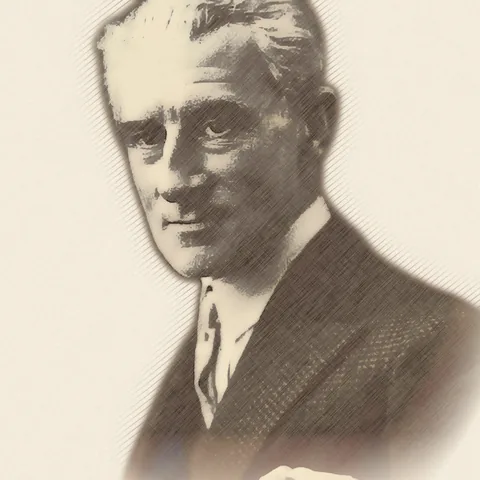 1875 – 1937Impressionism and modernity
Maurice Ravel
A meticulous orchestrator, he combined precision, dance and instrumental color.
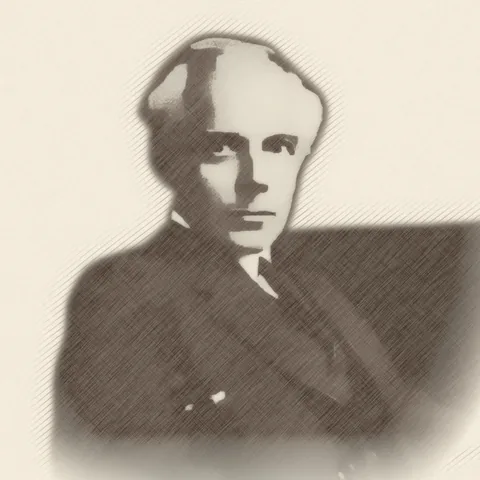 1881 – 1945Modernism
Béla Bartók
A researcher of folk music, he transformed rhythms and modes into a modern language.
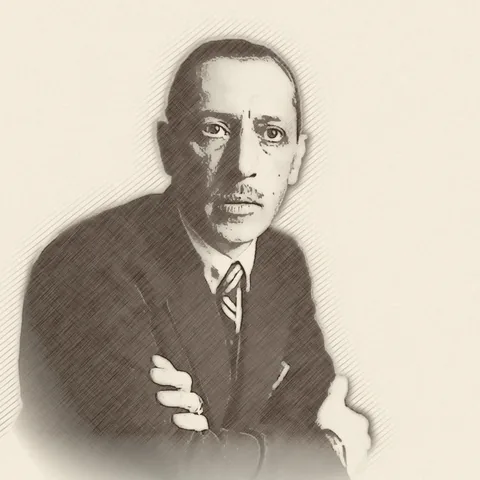 1882 – 1971Modernism
Igor Stravinsky
His rhythmic disruptions and stylistic reinventions shaped twentieth-century music.
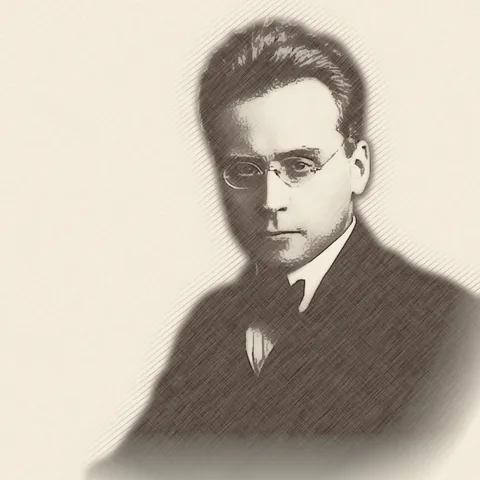 1883 – 1945Modernism
Anton Webern
An Austrian composer who distilled ideas into brief, precise forms.
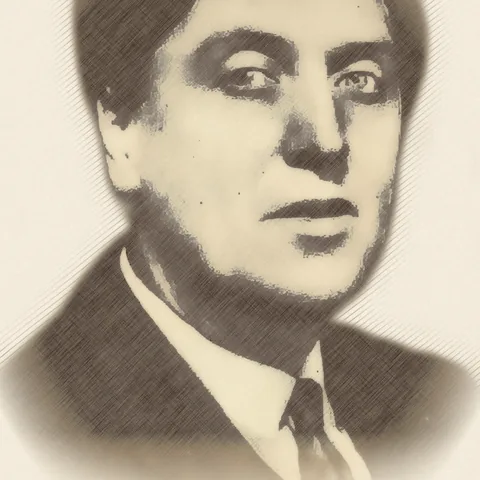 1885 – 1935Modernism
Alban Berg
A pupil of Schoenberg, he combined modern techniques with dramatic intensity.
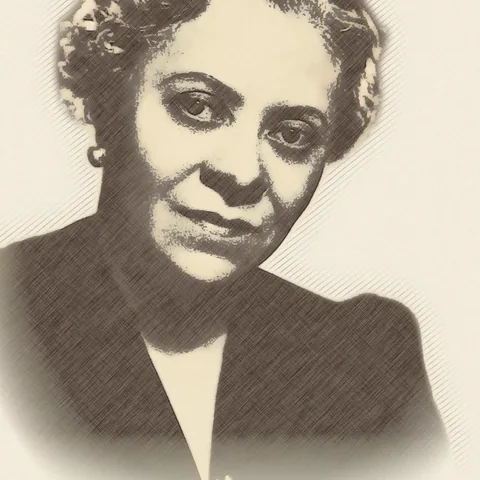 1887 – 1953Modernism
Florence Price
The first Black woman to have a symphony performed by a major US orchestra, she blended classical and African American traditions.
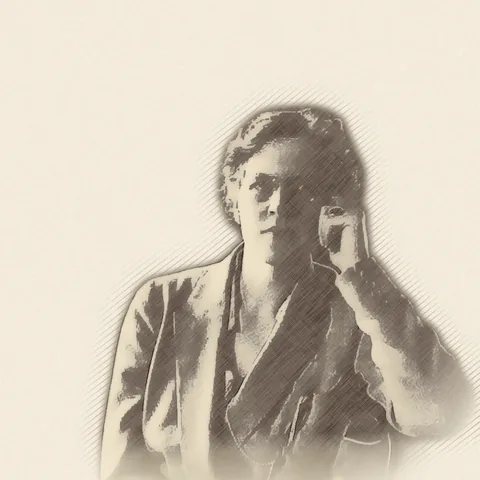 1887 – 197920th century and today
Nadia Boulanger
A teacher and conductor who influenced generations of musicians.
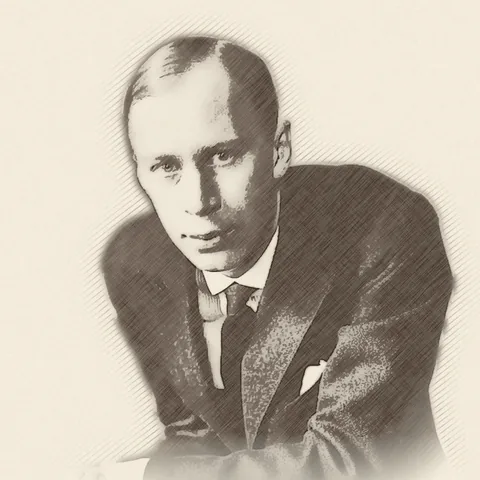 1891 – 1953Modernism
Serge Prokofiev
His angular melodies, sharp rhythms and theatrical flair appeal to all ages.
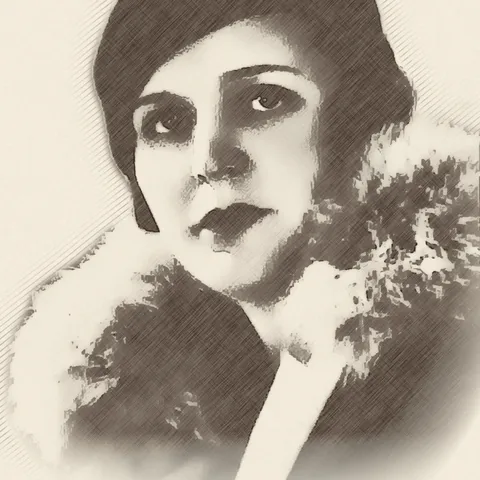 1892 – 198320th century and today
Germaine Tailleferre
The only woman in Les Six, she wrote inventive, clear music for stage and concert.
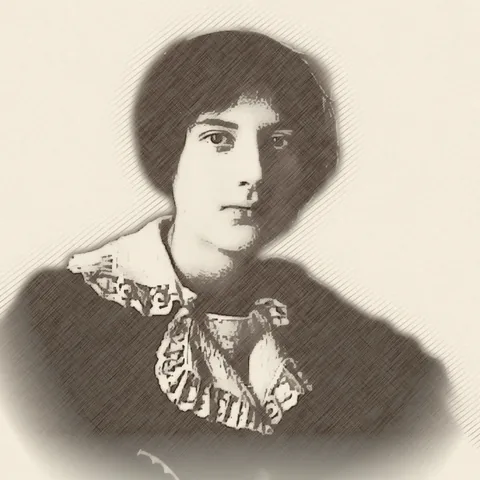 1893 – 1918Modernism
Lili Boulanger
The first woman to win the premier Grand Prix de Rome in composition, she left an intense body of work.
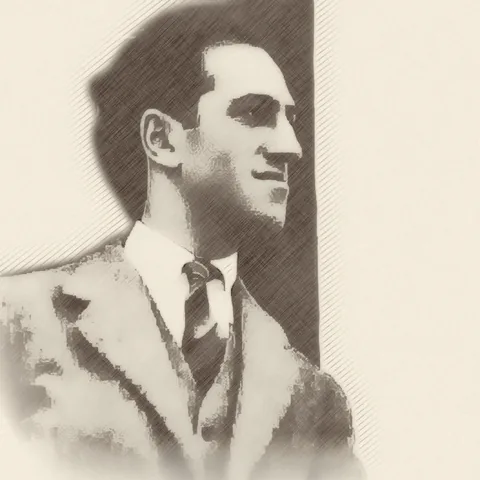 1898 – 193720th century and today
George Gershwin
An American composer who bridged jazz, Broadway and concert music.
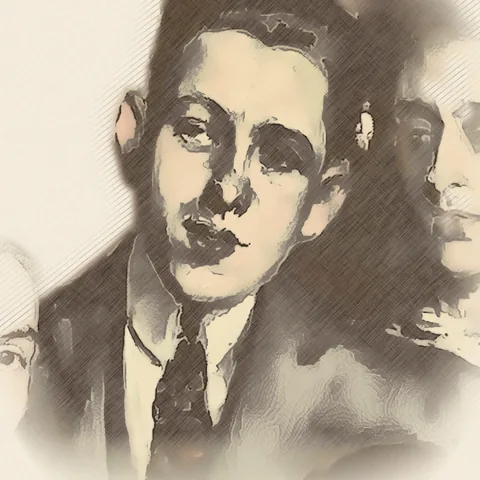 1899 – 196320th century and today
Francis Poulenc
A member of Les Six, he combined wit with profound spiritual expression.
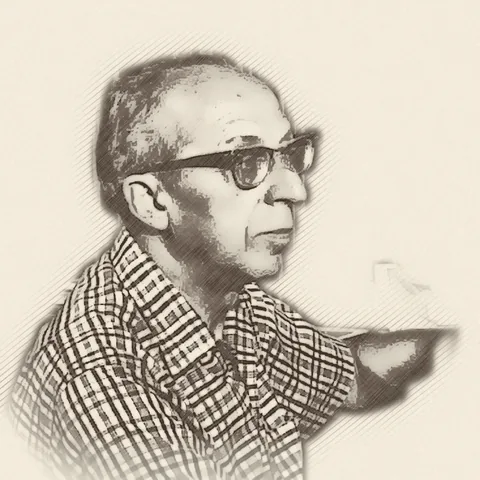 1900 – 199020th century and today
Aaron Copland
He developed an open American sound drawing on dance and folk traditions.
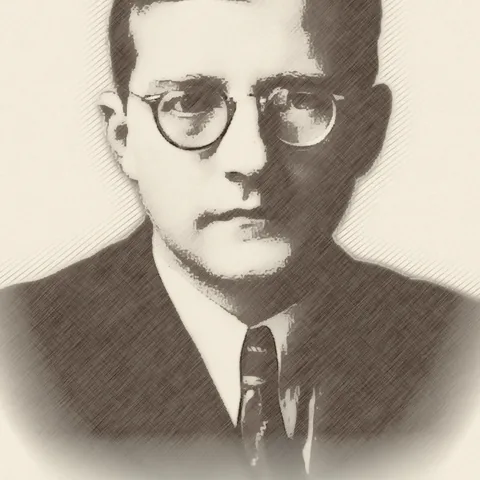 1906 – 1975Modernism
Dmitri Chostakovitch
He composed under Soviet political pressure, balancing irony, tragedy and ambiguity.
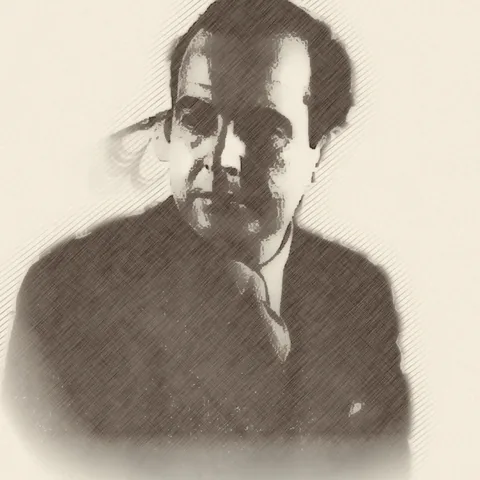 1910 – 198120th century and today
Samuel Barber
A lyrical American composer who wrote for voice, strings and orchestra.
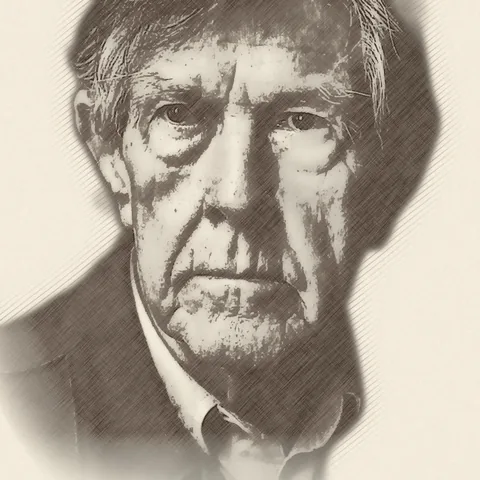 1912 – 199220th century and today
John Cage
A radical experimenter who questioned chance, silence and the act of listening.
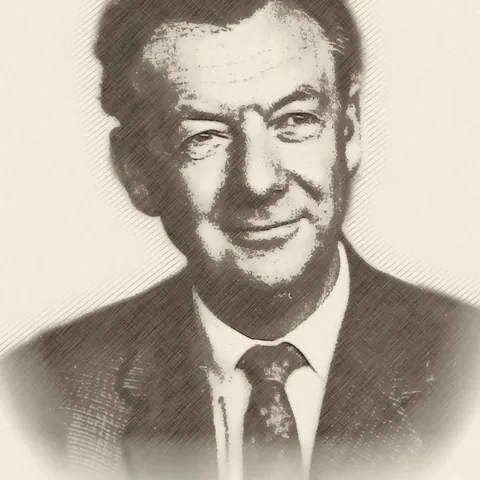 1913 – 197620th century and today
Benjamin Britten
He revitalized English opera and wrote accessible yet sophisticated music.
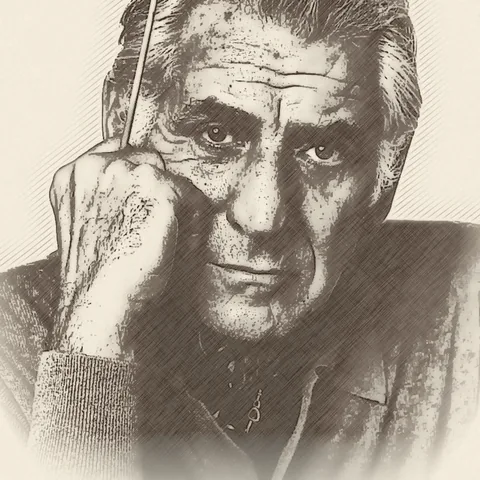 1918 – 199020th century and today
Leonard Bernstein
Conductor, educator and composer, he connected classical music, jazz and musical theatre.
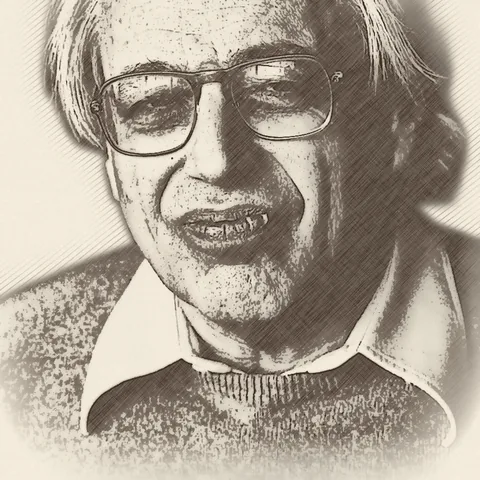 1923 – 200620th century and today
György Ligeti
He created shifting sonic textures that blur the boundary between melody and sound mass.
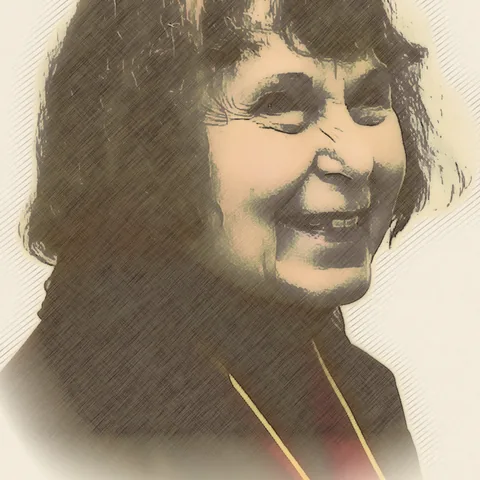 1931 – 202520th century and today
Sofia Goubaïdoulina
A Tatarstan-born composer who explored spirituality, timbre and unusual instruments.
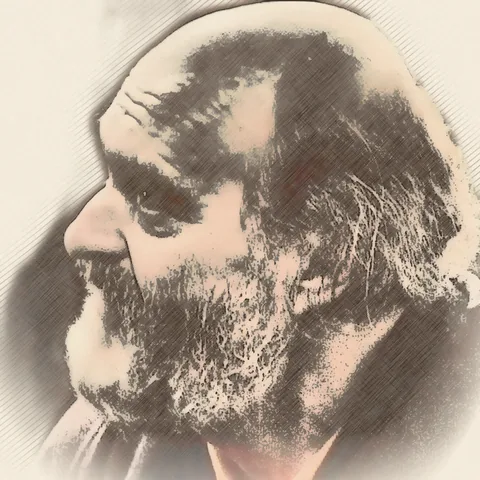 1935 –20th century and today
Arvo Pärt
His tintinnabuli style seeks simplicity and spiritual resonance.
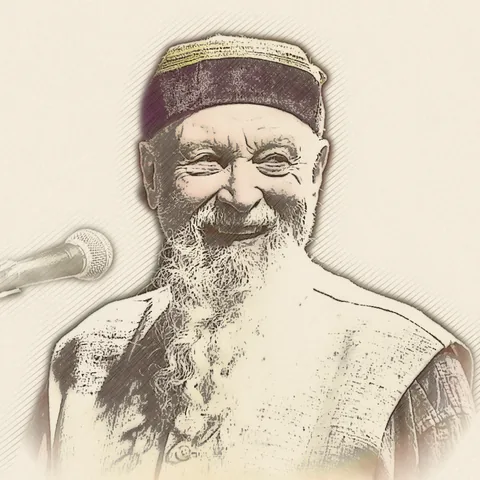 1935 –20th century and today
Terry Riley
An American minimalist composer who explored repetition and improvisation.
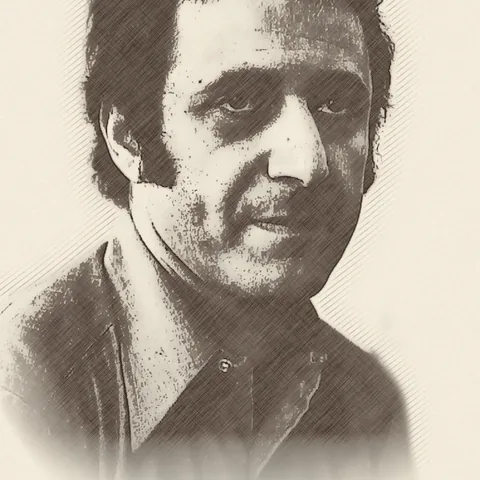 1936 –20th century and today
Steve Reich
He explores rhythmic phasing, repetition and connections between speech and music.
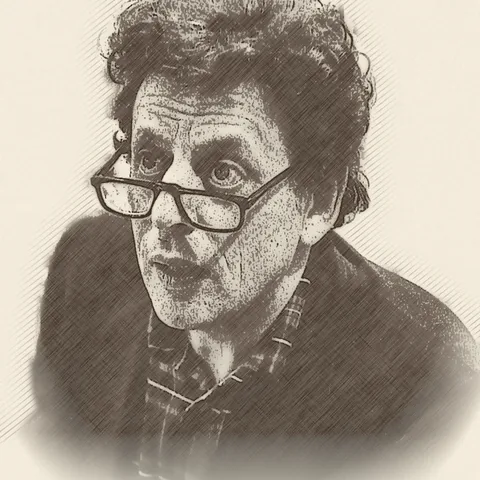 1937 –20th century and today
Philip Glass
His repeated and evolving patterns helped popularize minimalist music.
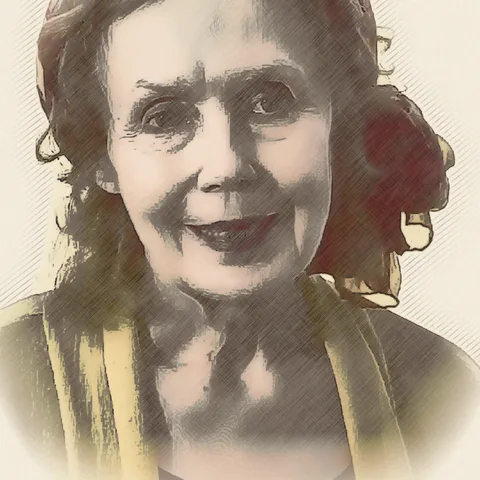 1952 – 202320th century and today
Kaija Saariaho
A Finnish composer who sculpted timbre and texture with exceptional subtlety.
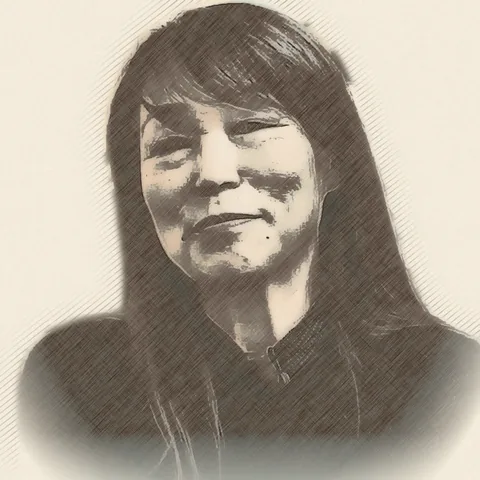 1961 –20th century and today
Unsuk Chin
A South Korean composer known for virtuosic and imaginative writing.
The timeline of centuries
All hundred lives on a single line of time, with the great events of world history.
Listen legally
195 excerpts of freely licensed recordings, credited and sourced on Wikimedia Commons.
Play with music
Quizzes, listening games, instrument puzzles, magic piano, memory… for children (and grown-ups).